
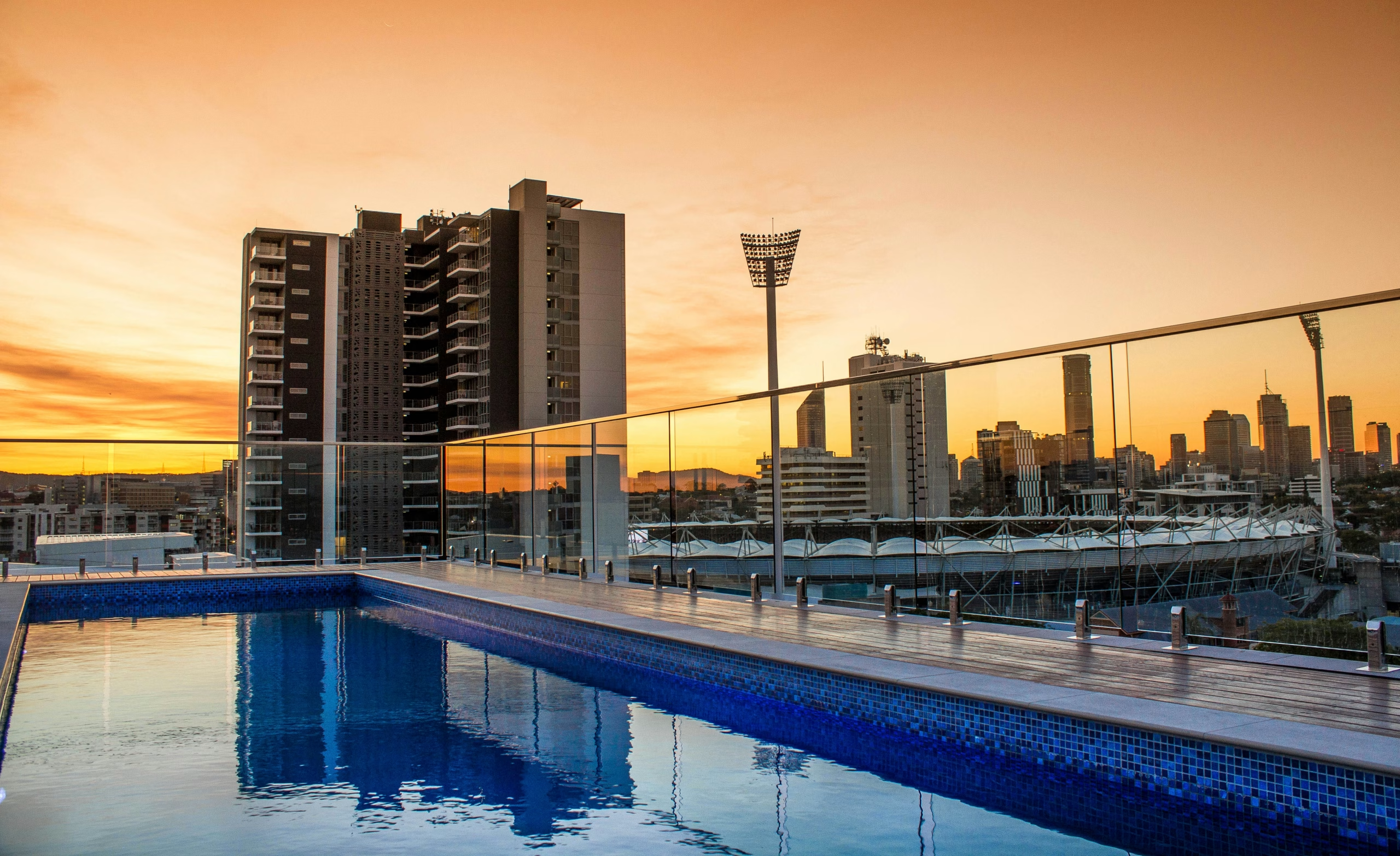
Juliet Balcony Railing
Product Types
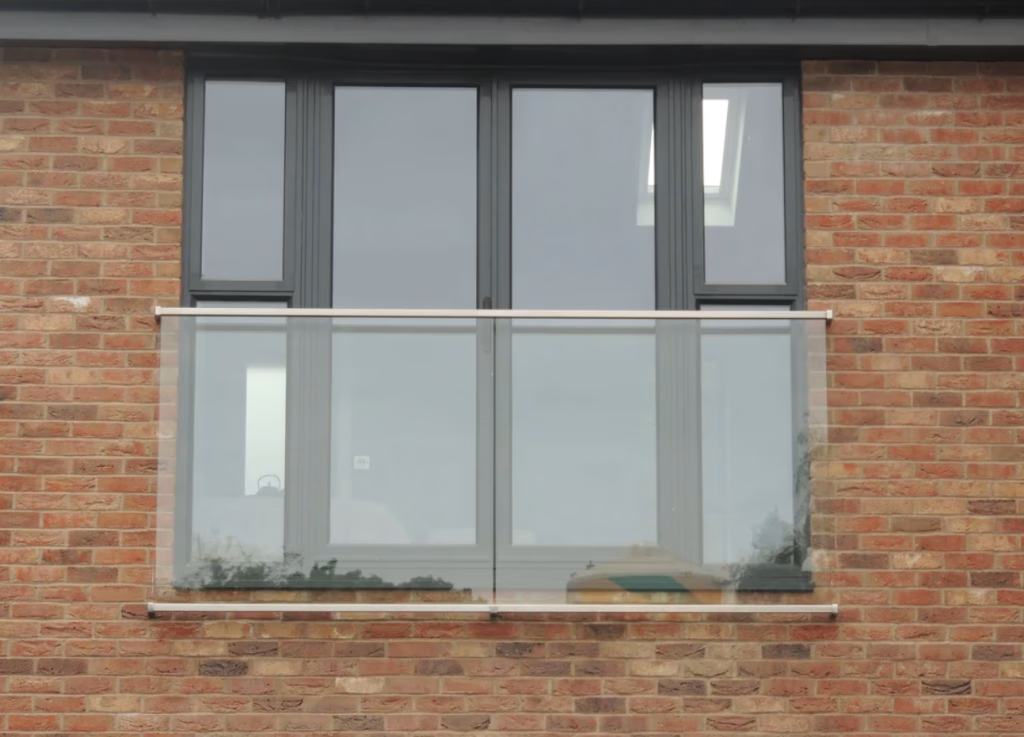
A Juliet balcony is a shallow and non-protruding balcony system, usually placed in front of full-length windows or French doors on upper floors. Unlike traditional balconies, it does not have an exit platform but serves as a safety feature that allows you to open doors or windows and prevent falls. These types of balconies create a sense of open space without the need for structural extensions or significant floor space.
Juliet balconies are frequently used in residential and mixed-use complexes to maximize light, air circulation, and architectural details. It is popular in both classic and modern designs – from elegant wrought iron railings to sleek frameless glass panels. These systems perform both practical and decorative functions, improve the facades of buildings, and meet safety requirements.
Material
The most common materials used for Juliet balconies are wrought iron, stainless steel, powder-coated aluminum, and laminated or tempered glass. Wrought iron is often chosen for its sophisticated and timeless aesthetic, especially in traditional architecture. In contrast, stainless steel and aluminum have a modern and minimalist appearance, particularly suitable for maintenance and weather-resistant applications. Juliet glass balconies, particularly those using frameless laminated glass, are gaining popularity in modern buildings. They provide maximum visibility, uninterrupted views, and clean aesthetics. Depending on the design, materials can be combined—for example, glass inlays secured with metal side brackets—creating both structural stabilities and a sophisticated visual impression. All components are selected to withstand environmental influences and maintain long-term performance.
Load & Safety
Although Juliet balconies are not designed to carry live loads like traditional balconies, they must comply with building codes for fall protection. These standards usually regulate the minimum height, the distance between horizontal or vertical infill elements, and the durability of fastening. Even for mere aesthetic purposes, design performance is critical for passenger safety. Laminated safety glass is often required to prevent breakage hazards in frameless structures, and metal systems must be securely attached to the building structure. Additional safety measures may include child-safe designs, rounded edges, or anti-lift profiles, depending on the building location and type. With regular testing and certification, it ensures that the balcony system can safely withstand wind pressure and accidental collisions.
Maintenance
Maintenance needs are highly dependent on the material used. Juliet metal balconies—especially those exposed to the elements—should be inspected periodically for indications of rust, corrosion, or paint deterioration. Protective coatings, such as galvanized or powder-coated, help reduce the frequency of maintenance, but may require adjustments or repainting over time, especially in coastal or industrial areas. Juliet glass balconies should be cleaned regularly with non-abrasive cleaners to maintain transparency and prevent stains and mineral deposits. All ports and joints should be checked for looseness or fatigue, especially after extreme weather conditions. Preventive maintenance not only extends the life of the balcony but also ensures ongoing safety and structural reliability.
Durability
Made with high-quality materials and quality finishes, Juliet balconies have exceptional durability and are suitable for long-term use both indoors and outdoors. Stainless steel and aluminum are resistant to corrosion and UV irritation, and properly coated wrought iron can last for decades with regular maintenance. Laminated glass filled panels are designed to withstand high wind loads and temperature fluctuations without cracking or discoloration. With minimal mechanical stress and Maintenanceful installation, Juliet balconies maintain their function and appearance for years to come. Its combination of visual appeal, ventilation, and safety benefits is making it a sought-after part of modern architecture.