

Fence Systems
Product Types
Garden fences serve to define outdoor spaces, provide privacy, enhance security, and contribute to the overall landscape style. Traditional knurling comes in a variety of styles, such as lattice panels, horizontal slats, and decorative metal or composite panels. Fences can be completely opaque or partially open for a balance of privacy and views.
Depending on the environment, garden fences can be designed for isolation (pets, children), security (to discourage crossing), or purely decorative purposes. Some fences are equipped with gates, trellises, or planter boxes to enhance functionality and visual appeal in garden settings.
Material
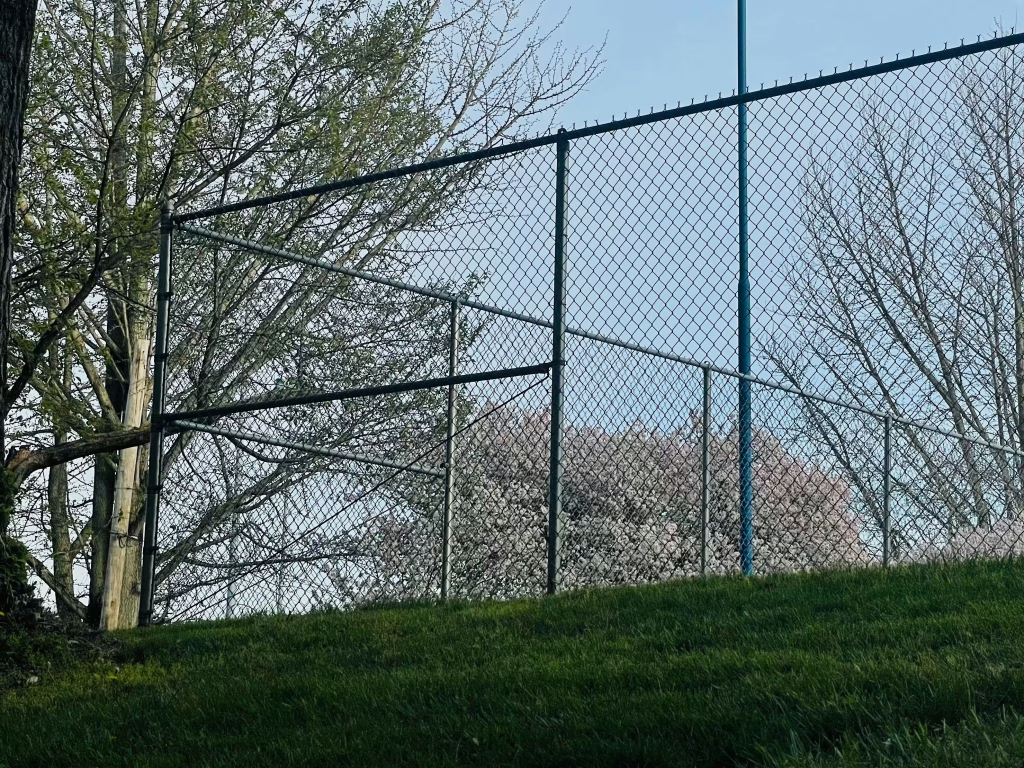
Wood is a classic material for garden fences; usually made from cedar, pine, or engineered hardwoods; It is valued for its natural beauty and resistance to decay. Metal options include wrought iron, aluminum, and galvanized steel; These ensure durability and minimal maintenance with the right coatings. Vinyl and composite fences have become popular due to their low agility, resistance to rot, insects, and impact. These materials mimic the appearance of wood or metal, while still providing enhanced durability and ease of cleaning. The choice of material affects not only the appearance, but also the service life and maintenance.
Load & Safety
Garden fences must be structurally sound to withstand wind loads and accidental impacts, especially in open or busy areas. Local regulations may dictate the maximum heights and distances between fences to ensure the safety and harmony of neighbors. Security fencing often includes lockable gates, reinforced posts, or anti-climb elements, while fencing for children or pets focuses on minimizing gaps and sturdy construction. To maintain the fence’s stabilization over time, the right fastening and foundation are necessary.
Maintenance
Wooden fences require periodic staining, sealing, or staining to protect them from moisture, UV exposure, and insect attacks. Metal fences are supplied with rust prevention products and periodic repainting or touch-ups are made to maintain protective coatings. Vinyl and composite fences mostly require simple cleaning with water and mild detergents; Thus, it removes dirt and prevents the growth of mold and mildew. Regular inspections identify loose boards, broken posts, or damage caused by weather conditions and animals, allowing for timely repairs.
Durability
With proper installation and maintenance, garden fencing can last for years, maintaining both functionality and appearance. Engineered wood and coated metals are resistant to rot and corrosion, while vinyl and composite fencing provide exceptional environmental resilience with minimal maintenance. Material selection and build quality are key to durability; It ensures the fence’s resistance to seasonal changes in temperature, humidity, and mechanical wear. A sturdy garden fence not only protects the outdoors, but also adds value and beauty to the object.