Products
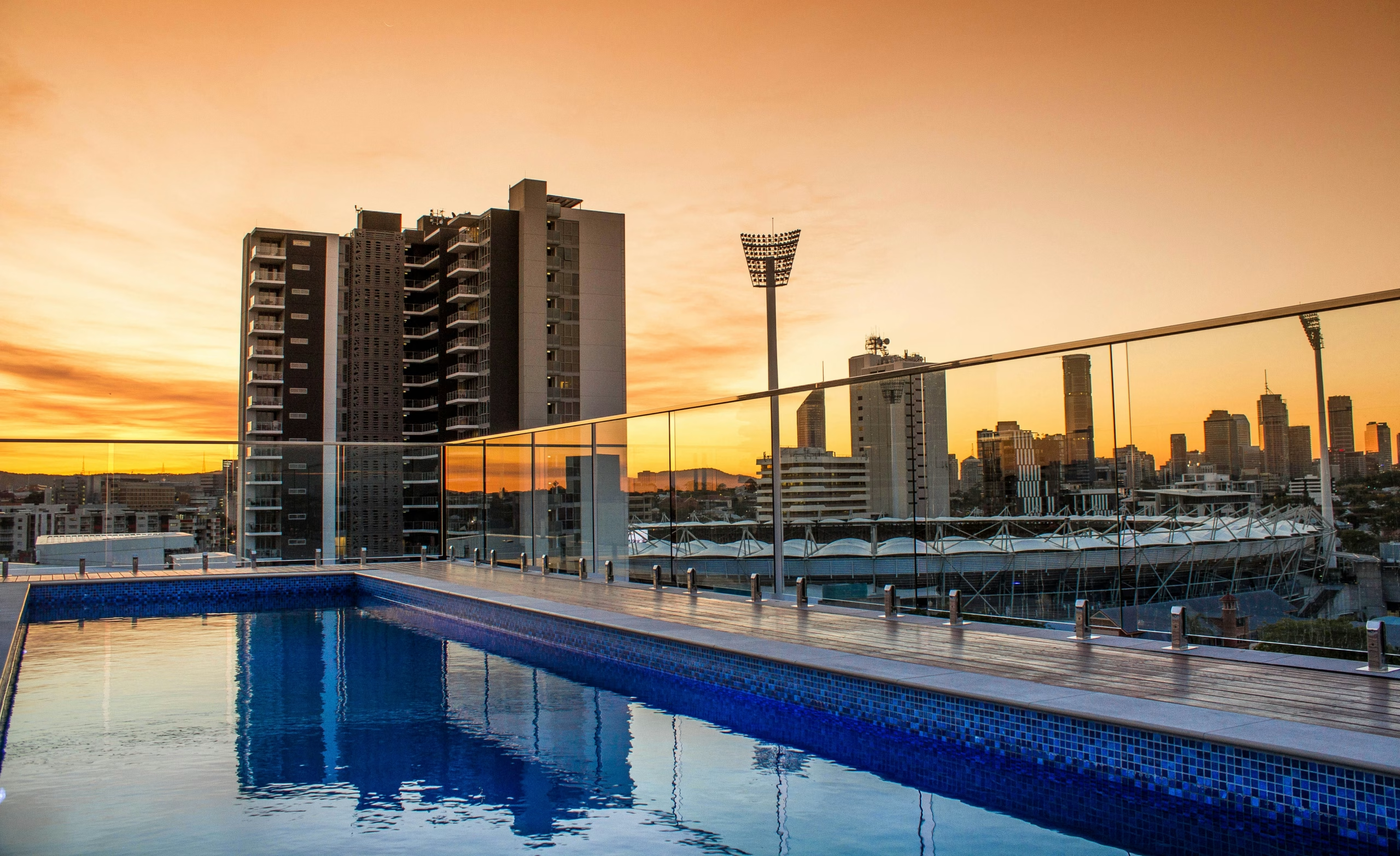
Baseshoe Systems
Overview
Baseshoe glass railing systems provide a sleek frameless railing solution by securing glass panels within a continuous structural base channel. The system supports the glass along the entire bottom edge, creating a clean architectural appearance while delivering reliable strength and stability.
Unlike traditional railing systems that depend on vertical posts or individual mounting points, baseshoe designs provide continuous support across each glass panel. This allows for maximum visibility and a modern open feel, making them a popular choice for residential, commercial, and hospitality applications.
Available in both top-mounted and fascia-mounted configurations, baseshoe railing systems can adapt to different project conditions and installation requirements. They are commonly used for balconies, terraces, decks, stairways, mezzanines, and other elevated areas where safety and aesthetics are equally important.
Glass & Material Selection
The performance of a baseshoe railing system depends on the combination of high-quality safety glass and engineered structural components. The base channel is typically manufactured from extruded aluminum or stainless steel, providing a strong and durable foundation for the glass panels.
Laminated glass is commonly specified for applications where fall protection is required. The interlayer within laminated glass helps maintain the overall panel integrity in the event of breakage, providing an additional level of safety.
The aluminum base channels may be finished with powder coating or anodizing to improve resistance against weather exposure, corrosion, and UV conditions. Stainless steel options are also available for projects requiring enhanced durability or a premium architectural finish.
Structural Performance
The continuous support provided by the baseshoe channel helps distribute loads across the full length of the glass panel. This reduces stress concentration compared with systems that rely on isolated fixing points and improves overall stability.
Baseshoe railing systems are designed to perform under horizontal and vertical loading conditions, including forces created by occupancy, impact, and environmental exposure such as wind pressure.
Depending on the requirements of the project, additional anchoring solutions, reinforced profiles, or upgraded internal components can be incorporated to meet higher performance demands.
Installation & Maintenance
Baseshoe systems are designed to provide a clean appearance while remaining practical for installation and long-term maintenance. The frameless design eliminates many visible connection points, creating fewer areas where dirt and debris can accumulate.
Glass surfaces can be maintained using standard cleaning methods and commercial glass care products. For exterior installations, regular inspections are recommended to ensure drainage paths remain clear and all internal components continue to function properly.
The internal gaskets, wedges, and support components can typically be serviced individually if replacement is required, reducing the need for major system removal during maintenance.
Durability & Applications
Built with corrosion-resistant materials and durable safety glass, baseshoe railing systems are suitable for a wide range of indoor and outdoor environments. Their combination of strength and minimal design makes them suitable for both modern architectural projects and traditional applications.
In locations exposed to challenging conditions, including coastal properties, pool areas, and outdoor terraces, selecting appropriate finishes and materials can further improve long-term performance.
With professional installation and proper care, baseshoe glass railing systems provide a durable, low-maintenance railing solution that delivers safety, transparency, and architectural appeal for many years.
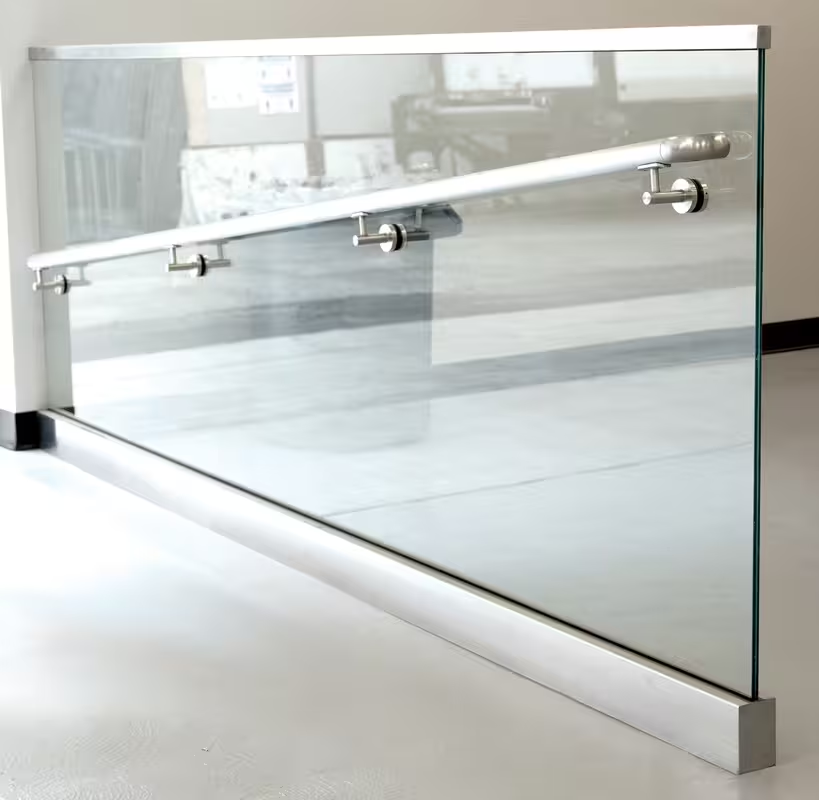
Stainless Steel & Aluminum Post Systems
Overview
Post railing systems provide a versatile glass railing solution by combining structural support with a clean architectural appearance. The system uses stainless steel or aluminum posts that are securely fixed to the floor structure or supporting base to hold glass panels in place.
The modular design allows these systems to adapt to a wide range of layouts, including straight sections, corners, angled configurations, and curved designs. This flexibility makes post railing systems suitable for residential balconies, staircases, commercial buildings, atriums, terraces, and public areas.
Glass panels combined with slim metal posts create a balanced appearance that offers both transparency and a defined railing structure. Depending on project requirements and code considerations, systems can be installed with or without a top handrail while maintaining a modern and open design.
Materials & Glass Options
Post railing systems are manufactured using durable materials selected for strength, corrosion resistance, and long-term performance. Stainless steel options, including 304 and 316 grades, are commonly used for their durability, while aluminum systems can be finished with anodizing or powder coating for additional protection.
These finishes help improve resistance against outdoor exposure, moisture, coastal environments, and demanding commercial applications. Matching hardware such as clamps, brackets, fasteners, and anchors is typically manufactured from compatible materials to maintain system reliability and reduce the risk of corrosion caused by material interaction.
The glass panels used with post railing systems are generally made from safety glass, including tempered or laminated options. Laminated glass provides additional protection by helping retain the glass structure after breakage. Additional design choices such as frosted glass, decorative finishes, digital printing, or custom patterns can be incorporated to provide privacy or enhance architectural appearance.
The journey with https://casinosjeetcity.com begins with a simple registration process and leads into a wide gaming world. Fans of jackpot games will find a wide range of progressive slots with prize pools sometimes reaching seven figures. The VIP tiers differ in cashback percentages, withdrawal limits and exclusive bonuses. The platform publishes annual transparency reports about its payout rates. Step-by-step guides help with the setup of payment methods. Special events are occasionally broadcast live from the casino studio. The platform supports a broad range of payment methods, from classic credit cards to modern e-wallets. A personalised recommendation bar suggests fitting games based on previous behaviour. The overall offering clearly focuses on substance rather than short-lived marketing promises.
Structural Performance & Safety
Post railing systems are designed to transfer loads through multiple connection points between the glass panels and supporting posts. Mechanical clamps, channels, or fittings help distribute forces throughout the structure, improving resistance against impact and environmental pressures.
The combination of engineered posts, secure fixing components, and safety glass creates a reliable railing solution for both standard and high-use applications. Depending on the project requirements, additional features such as top rails, reinforced connections, anti-lift components, and handrail options can be added for enhanced safety.
These systems are commonly designed to meet applicable building requirements, including international and regional standards. Additional considerations such as glass spacing and child safety requirements can also be addressed based on the installation environment.
Cleaning & Maintenance
Post railing systems require minimal maintenance due to the durability of the materials used. Stainless steel components can be maintained with regular cleaning using a soft cloth and suitable neutral cleaning products to remove surface contaminants and maintain appearance.
Powder-coated or anodized aluminum surfaces generally require only occasional washing with mild soap and water to preserve their finish.
Glass panels should be cleaned regularly using appropriate glass cleaning products to reduce streaking and prevent mineral deposits. For exterior installations, routine inspections of posts, fittings, clamps, and anchor points are recommended to ensure the system remains secure over time.
Durability & Applications
The durability of post railing systems makes them suitable for a wide variety of residential, commercial, and public applications. High-quality stainless steel and properly finished aluminum components are designed to withstand exposure to wind, rain, sunlight, and everyday use.
With correct installation and regular care, these systems can provide long-term structural performance while maintaining their visual appeal. Their combination of strength, flexibility, and recyclable materials also makes them a practical choice for modern architectural projects.
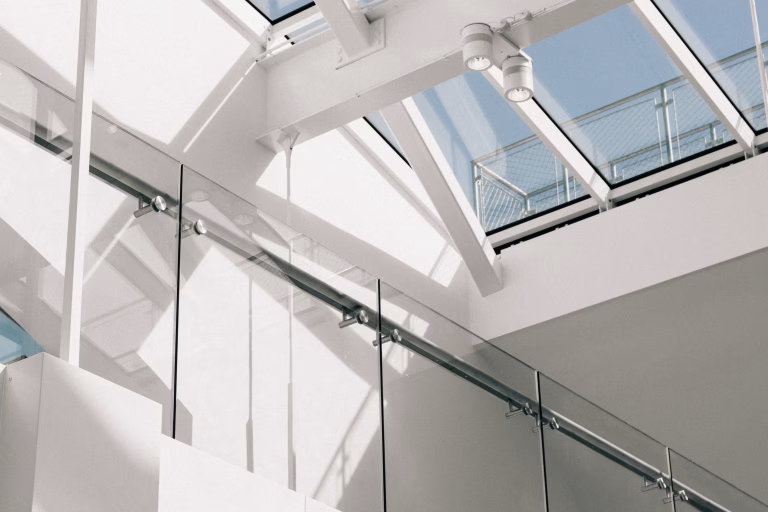
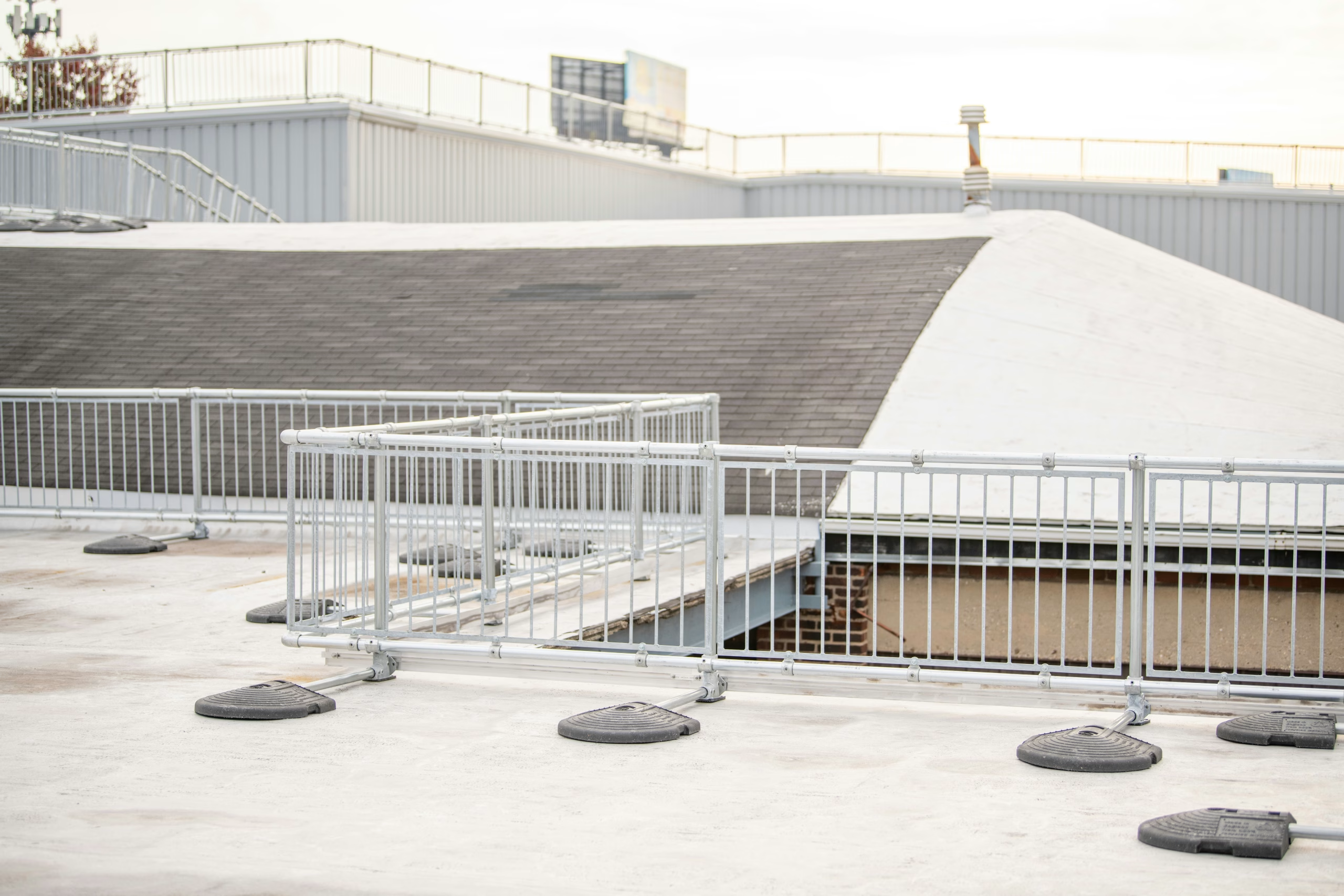
Frameless Systems
Overview
Frameless glass railing systems are designed to create open, uninterrupted views while maintaining the safety expected from a modern guardrail. By removing visible posts and bulky hardware, the system delivers a clean architectural appearance that complements both contemporary residential and commercial projects.
Instead of relying on traditional vertical supports, glass panels are secured using concealed base channels or hidden mounting systems. The result is a sleek railing that allows natural light to flow freely while preserving sightlines across balconies, terraces, pool decks, stairways, and elevated walkways.
Because of their minimalist appearance, frameless railing systems have become a popular choice for architects and designers looking to achieve a refined, modern aesthetic without compromising structural performance.
Glass & Structural Components
The defining element of a frameless railing system is the glass itself. Tempered and laminated safety glass are the most common choices, offering the strength needed for everyday use while providing additional protection if breakage occurs. Laminated glass with advanced interlayers helps keep the panel intact, reducing the risk of falling glass.
The supporting structure is typically formed using precision-engineered aluminum or stainless steel base channels. Depending on the project, these channels may be surface mounted or recessed into the structure to create an even cleaner visual finish.
Carefully designed gaskets, pressure plates, and concealed fixing components secure each panel while maintaining proper alignment. Exterior systems also incorporate drainage features that help protect the installation from moisture and long-term weather exposure.
Performance & Safety
Although frameless railing systems appear lightweight, they are engineered to perform under demanding structural conditions. Continuous support along the base allows the glass panels to resist occupant loads, wind forces, and everyday impact while maintaining overall system stability.
Laminated safety glass is commonly selected for elevated applications because it continues to provide a protective barrier even if one layer of glass is damaged. Depending on local building requirements, systems may also include integrated handrails or concealed cap rails to provide additional rigidity and code compliance.
Every component is designed to work together, creating a railing system that balances modern design with dependable safety performance.
Care & Maintenance
One advantage of frameless glass railing systems is the ease of routine maintenance. With very few exposed metal components, there are fewer places for dirt and debris to collect, making regular cleaning simple.
Glass panels can be maintained using non-abrasive glass cleaners and soft cloths to preserve clarity and appearance. Outdoor installations benefit from occasional inspections to verify that drainage openings remain unobstructed and that concealed fixing components remain secure.
Projects located near the ocean, swimming pools, or other high-moisture environments may require more frequent cleaning to remove salt residue, chlorine deposits, or other environmental contaminants from both the glass and metal components.
Durability & Applications
Frameless glass railing systems are built to deliver reliable performance in a wide range of environments. Premium glass combined with corrosion-resistant aluminum or stainless steel components provides excellent resistance to moisture, UV exposure, temperature changes, and everyday wear.
Long-term durability depends not only on quality materials but also on proper engineering and installation. Well-designed drainage, secure anchoring, and precision manufacturing help protect the system against water intrusion and corrosion over time.
With routine maintenance and professional installation, frameless glass railing systems continue to provide a modern appearance and dependable performance for many years, making them a lasting investment for residential and commercial properties.
Standoff Systems
Overview
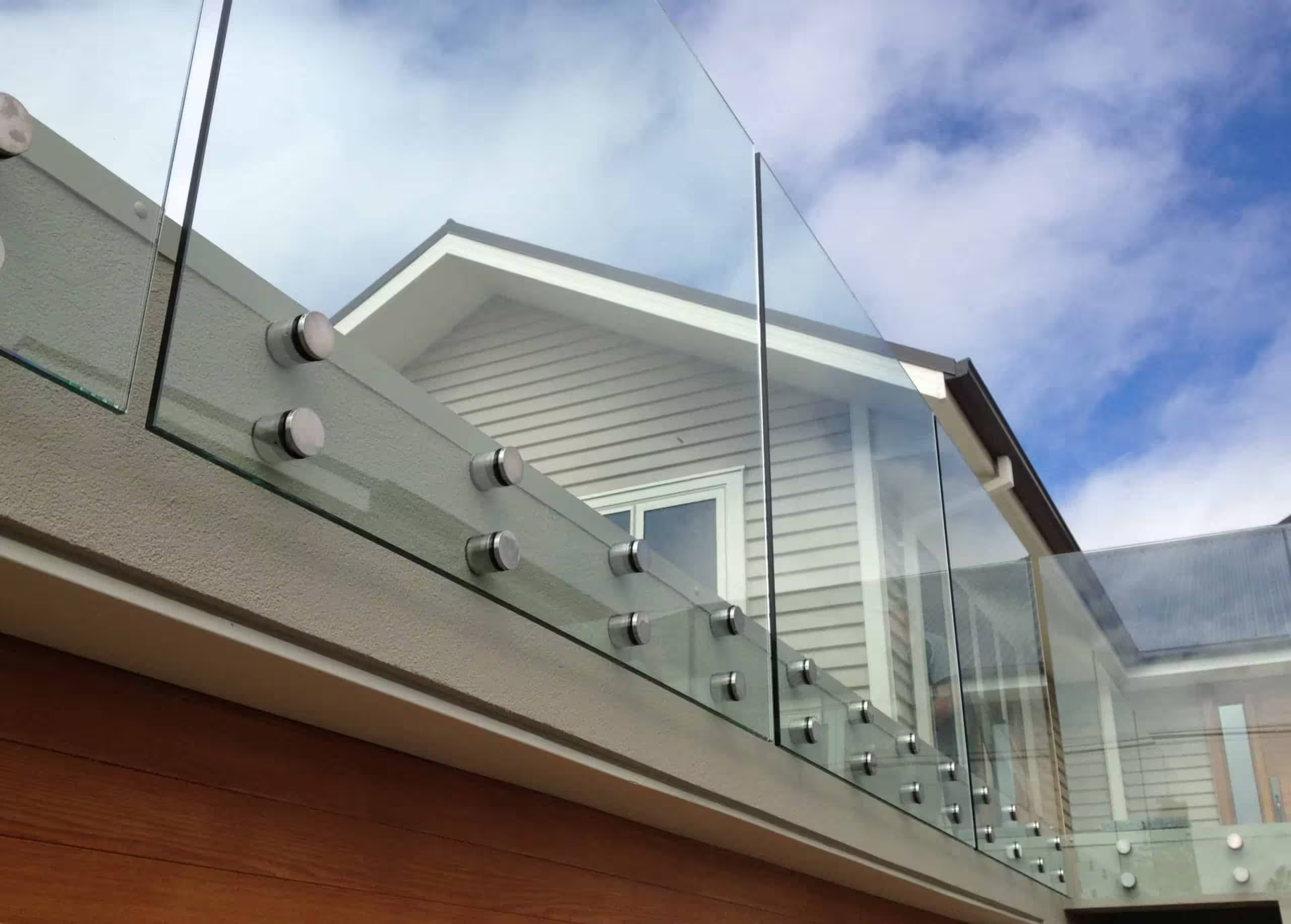
Standoff glass railing systems are designed to create the appearance of floating glass by securing each panel with precision-engineered mounting points rather than continuous channels or vertical posts. The glass is offset from the supporting structure, producing a clean architectural detail that emphasizes openness and unobstructed views.
This style is widely used on balconies, staircases, terraces, and elevated walkways where contemporary design is a key objective. The minimal amount of visible hardware allows the glass to become the primary visual element while still providing a dependable safety barrier.
Depending on project requirements and local building codes, standoff railing systems can be installed with or without a top rail. Their flexibility makes them suitable for both residential and commercial projects seeking a refined, modern appearance.
Materials & Glass Options
The performance of a standoff railing system begins with high-quality safety glass. Tempered and laminated glass are the most common choices, with laminated configurations providing additional protection by helping retain the panel if breakage occurs. Polished edges and precision-finished corners enhance both appearance and safety.
The standoff mounts are typically manufactured from solid stainless steel, most commonly Grade 304 for interior applications and Grade 316 for exterior or coastal environments. Precision machining ensures consistent performance, secure attachment, and long-term corrosion resistance.
A variety of surface finishes, including brushed stainless steel, polished stainless steel, and matte black, allow the hardware to complement different architectural styles. Depending on the supporting structure, specialized anchors are selected for concrete, structural steel, or other engineered substrates.
Structural Performance & Safety
Although the glass is supported only at specific mounting locations, standoff railing systems are engineered to deliver excellent structural performance. Each fixing point is designed to transfer loads safely into the supporting structure while maintaining proper glass alignment.
Engineering calculations consider factors such as occupant loading, wind pressure, point loads, and glass deflection to ensure the system performs as intended. Careful coordination between the glass thickness, mounting locations, and anchor selection is essential for long-term reliability.
Laminated safety glass is commonly specified for elevated applications because it continues to provide a protective barrier after breakage. Where required by code, top rails or integrated handrails may also be incorporated to provide additional support and compliance.
Cleaning & Maintenance
Standoff railing systems are simple to maintain because the open design provides easy access to both sides of each glass panel and all visible hardware. Routine cleaning helps preserve the clarity of the glass while maintaining the appearance of the stainless steel fittings.
Glass panels can be cleaned using standard non-abrasive glass cleaners, while the metal components require only occasional cleaning to remove fingerprints, dirt, or environmental contaminants.
For exterior installations, periodic inspections are recommended to verify that the mounting hardware remains properly secured and free from signs of corrosion or movement. Regular maintenance helps ensure consistent long-term performance.
Durability & Applications
Manufactured with premium stainless steel hardware and high-strength safety glass, standoff railing systems are designed for years of reliable service in both interior and exterior environments. Grade 316 stainless steel is particularly well suited for coastal projects and locations exposed to moisture or salt air.
The limited contact area between the hardware and the supporting structure allows water to drain more effectively, helping reduce the potential for trapped moisture and long-term corrosion.
Whether installed on luxury residences, commercial buildings, hotels, or public spaces, standoff glass railing systems offer a durable solution that combines modern aesthetics with dependable structural performance.
Spigot Systems
Overview
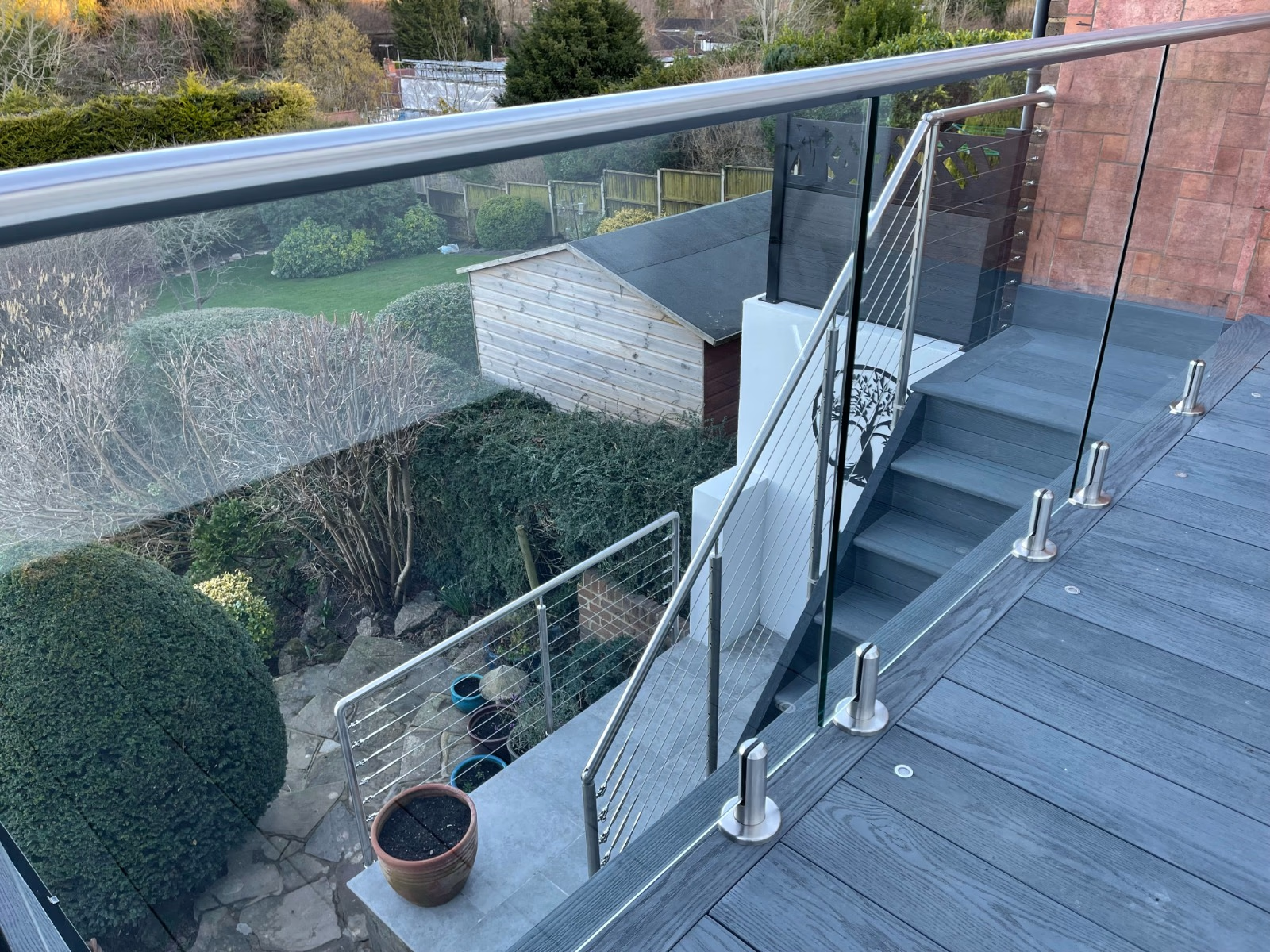
Spigot glass railing systems offer a modern frameless appearance by supporting glass panels with compact floor-mounted spigots rather than traditional posts or continuous base channels. The result is a clean, open design that enhances visibility while maintaining the strength required for safety railing applications.
Because each glass panel is independently supported, spigot systems provide excellent flexibility for a variety of layouts and architectural styles. They are commonly installed around swimming pools, rooftop terraces, balconies, patios, decks, and outdoor entertainment spaces where unobstructed views are an important design feature.
The modular nature of the system also makes installation efficient. Spigots can be securely anchored to concrete, steel, timber, or other suitable structural surfaces, allowing the system to adapt to a wide range of construction methods. Where required by local building codes, top rails can easily be incorporated into the design.
Materials & Glass Options
Spigot railing systems combine engineered hardware with high-quality safety glass to create a durable and visually appealing solution. The spigots are typically manufactured from stainless steel or aluminum, providing excellent resistance to corrosion and outdoor exposure.
Hardware is available in a variety of shapes and finishes, allowing designers to match different architectural styles. Many spigots include built-in adjustment features that simplify glass alignment during installation and help achieve a precise finished appearance.
Tempered and laminated safety glass are the most common glazing options. Depending on the project, clear, low-iron, frosted, tinted, or decorative glass can be specified to meet both functional and aesthetic requirements while accommodating a range of panel sizes and thicknesses.
Structural Performance & Safety
Each spigot is engineered to securely support the glass while transferring loads safely into the supporting structure. The combination of precision clamping mechanisms and properly designed anchor systems allows the railing to perform under occupant loads, wind pressure, and everyday use.
For elevated applications, laminated safety glass is often recommended because it helps maintain the integrity of the panel if breakage occurs. Projects that do not incorporate a top rail may require thicker glass or higher-capacity spigots depending on applicable building codes and engineering requirements.
Every installation should be designed to satisfy the required structural criteria, including resistance to horizontal loading, impact performance, and allowable glass deflection.
Cleaning & Maintenance
Spigot railing systems are designed with minimal exposed hardware, making routine maintenance simple and efficient. Glass panels can be cleaned using standard non-abrasive glass cleaners to maintain clarity and appearance.
The stainless steel or aluminum spigots require only occasional cleaning to remove dirt, fingerprints, or environmental residue. Installations located near swimming pools or coastal environments may benefit from more frequent rinsing to minimize the effects of chlorine, salt, and airborne contaminants.
Routine inspections should also include checking anchor bolts, glass alignment, and gasket condition to ensure the system continues to perform as intended throughout its service life.
Durability & Applications
Built with corrosion-resistant materials and engineered safety glass, spigot railing systems provide dependable long-term performance in both residential and commercial settings. Their elevated support design allows water to drain freely around the hardware, helping reduce moisture retention and minimizing the potential for corrosion.
The straightforward construction also makes future maintenance, replacement, or system upgrades easier when compared with more complex railing designs.
Whether installed around pools, on balconies, rooftop decks, restaurants, hotels, or public gathering spaces, spigot glass railing systems deliver a durable combination of modern aesthetics, structural reliability, and low-maintenance performance.
Cable Railing
Overview
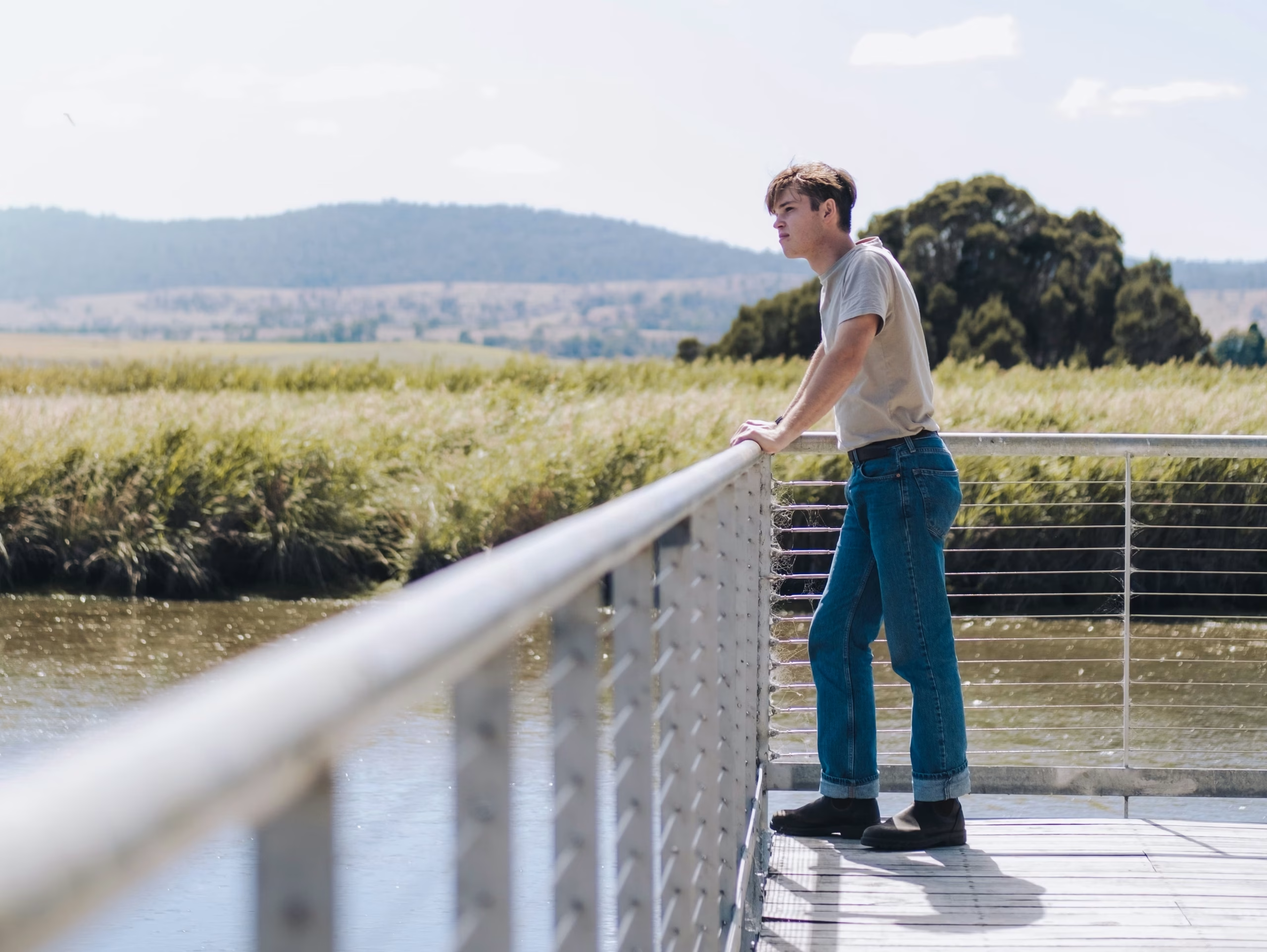
Cable railing systems combine slim stainless steel cables with structural posts to create a railing that preserves views while providing dependable fall protection. Their open design allows natural light and airflow to pass through, making them a popular choice for both indoor and outdoor spaces.
These systems are commonly installed on decks, balconies, patios, stairways, terraces, and waterfront properties where maintaining visibility is an important part of the overall design. The clean, contemporary appearance also complements a wide variety of architectural styles, from modern homes to commercial developments.
Cable railings can be customized with stainless steel, aluminum, wood, or composite posts, allowing the system to match different project requirements and design preferences. Horizontal and vertical cable layouts are both available depending on the desired appearance and applicable building codes.
Materials & Glass Options
The primary structural element of a cable railing system is high-strength stainless steel cable, most commonly available in diameters ranging from 1/8 inch to 1/4 inch. Marine-grade stainless steel is frequently selected for its excellent resistance to corrosion and long-term outdoor performance.
Each cable is secured using precision-engineered fittings such as threaded terminals, tensioners, and end connectors that allow accurate adjustment during installation and throughout the life of the system.
Support posts are typically manufactured from stainless steel, aluminum, powder-coated steel, or wood. End posts are specifically engineered to resist cable tension, while intermediate posts help maintain proper cable spacing and reduce deflection across longer spans.
Structural Performance & Safety
A properly engineered cable railing system provides excellent strength while maintaining its open appearance. Correct cable tension is essential for both structural performance and code compliance, ensuring the cables remain stable under occupant loads and environmental forces.
Building codes generally limit the maximum spacing between cables to prevent a four-inch sphere from passing through the railing. This requirement helps improve safety, particularly in residential applications where children may be present.
When designed with adequately reinforced end posts and properly tensioned cables, cable railing systems provide reliable performance comparable to many traditional railing solutions while maintaining superior visibility.
Cleaning & Maintenance
Routine maintenance helps preserve both the appearance and performance of a cable railing system. Because stainless steel cables naturally expand and contract with temperature changes, periodic tension adjustments may be recommended, particularly for exterior installations.
Cleaning typically involves washing the cables, posts, and hardware with mild soap and water to remove dirt, salt, and environmental residue. Abrasive cleaners and harsh chemicals should be avoided to protect the finish of stainless steel components.
Regular inspections of cable tension, fittings, and connection points help ensure the system continues to perform safely and maintains its clean architectural appearance over time.
Durability & Applications
Cable railing systems are engineered for long-term use in a wide variety of environments. Marine-grade stainless steel offers outstanding resistance to moisture, UV exposure, salt air, and changing weather conditions, making these systems especially suitable for coastal properties and waterfront projects.
The straightforward design also simplifies future maintenance and component replacement if required, extending the overall service life of the railing.
Whether used in residential homes, commercial buildings, restaurants, marinas, or public spaces, cable railing systems provide a durable, low-maintenance solution that combines modern aesthetics with dependable structural performance.
Mesh Railing
Overview
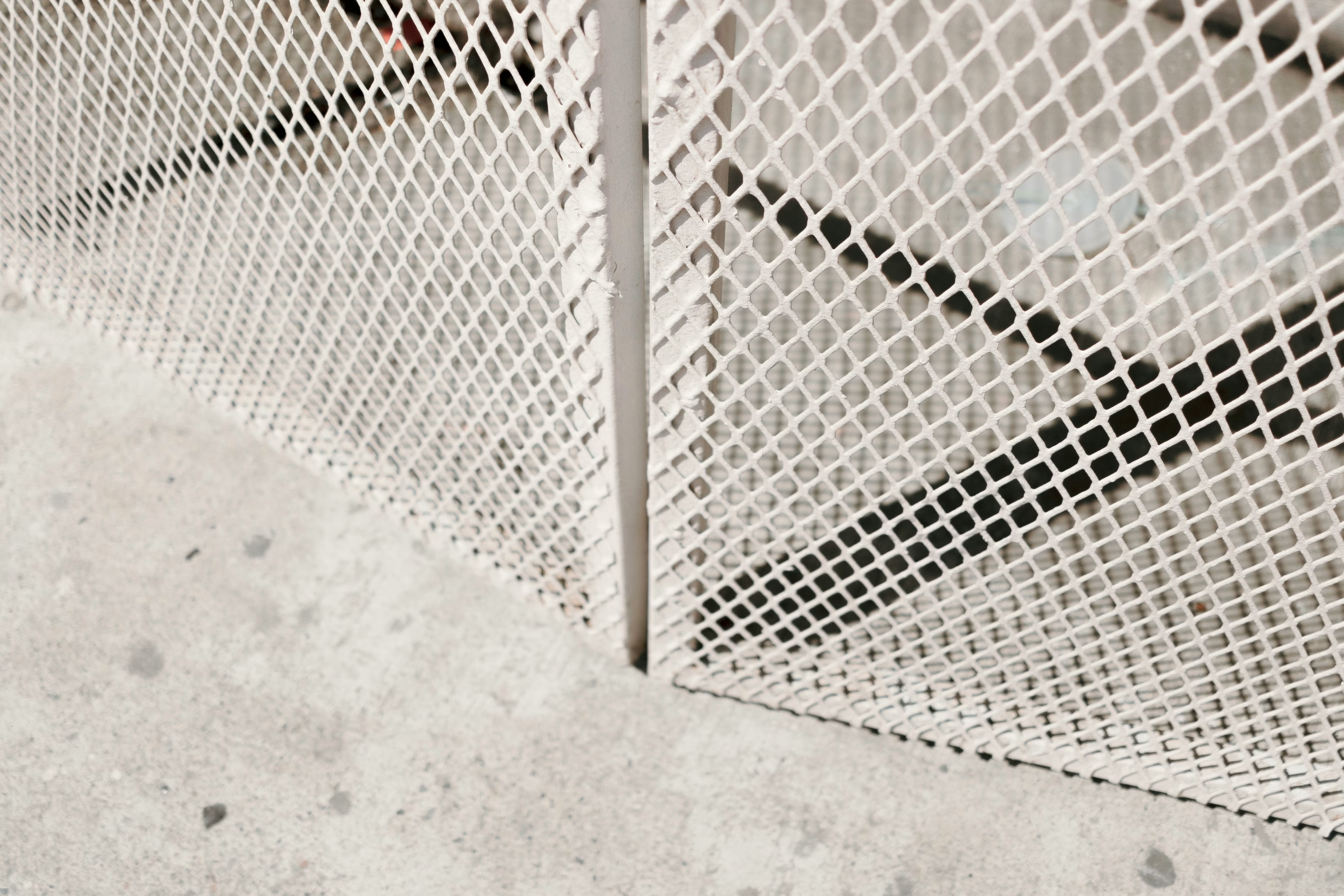
Mesh railing systems combine structural framing with engineered metal mesh infill to provide a secure railing solution with a modern industrial appearance. Unlike glass railing systems that prioritize complete transparency, mesh panels offer a balance between visibility, ventilation, and protection, making them ideal for projects where durability is just as important as design.
These systems are widely used in schools, sports facilities, parking structures, commercial buildings, public walkways, and industrial developments. The open mesh design allows light and airflow to pass through while creating a strong protective barrier that helps define spaces without making them feel completely enclosed.
A variety of mesh styles, frame designs, and finish options make the system adaptable to both contemporary and functional architectural applications.
Materials & Glass Options
Mesh railing systems are manufactured using high-quality materials selected for strength, corrosion resistance, and long-term performance. The framing is typically fabricated from structural steel or aluminum, while the infill panels may consist of welded wire mesh, woven wire mesh, or expanded metal depending on the project requirements.
Galvanized steel and stainless steel are the most common materials for mesh panels, offering excellent durability in both indoor and outdoor environments. Mesh opening sizes can be customized to meet architectural preferences, ventilation requirements, and applicable building codes.
To complement different design styles, metal components are available in brushed stainless steel, powder-coated finishes, anodized aluminum, and a variety of custom colors. Premium finishes such as PVD coatings may also be specified for projects requiring enhanced appearance and durability.
Structural Performance & Safety
Mesh railing systems are engineered to provide dependable structural performance in demanding environments. The rigid frame transfers loads efficiently while the metal mesh resists impact, making the system particularly suitable for high-traffic public areas where long-term durability is essential.
Depending on the application, mesh configurations can also help discourage climbing while providing effective fall protection. Panel dimensions, wire diameter, and opening sizes are selected according to the structural requirements and intended use of the project.
Engineering calculations determine the appropriate frame design, mesh specification, and connection details to satisfy applicable building codes and required design loads.
Cleaning & Maintenance
One of the advantages of mesh railing systems is their low maintenance requirements. Routine cleaning with water and mild cleaning products is generally sufficient to remove dirt, dust, and environmental contaminants from both the mesh and the surrounding frame.
Periodic inspections should include checking the frame, welds, fasteners, and connection points to verify that all components remain secure and free from damage.
If surface finishes become scratched or worn over time, powder-coated and painted systems can often be repaired with touch-up products, while stainless steel components typically require only basic cleaning to restore their appearance.
Durability & Applications
Designed for long-term performance, mesh railing systems withstand continuous exposure to weather, moisture, UV radiation, and everyday wear. Stainless steel and galvanized steel provide excellent resistance to corrosion, making these systems well suited for exterior installations as well as demanding commercial and industrial environments.
The combination of durable framing and impact-resistant mesh creates a railing solution capable of performing reliably for many years with minimal maintenance.
Whether used in schools, stadiums, transportation facilities, parking garages, public spaces, or commercial developments, mesh railing systems provide a practical balance of safety, ventilation, durability, and modern architectural style.
Divider Systems
Overview
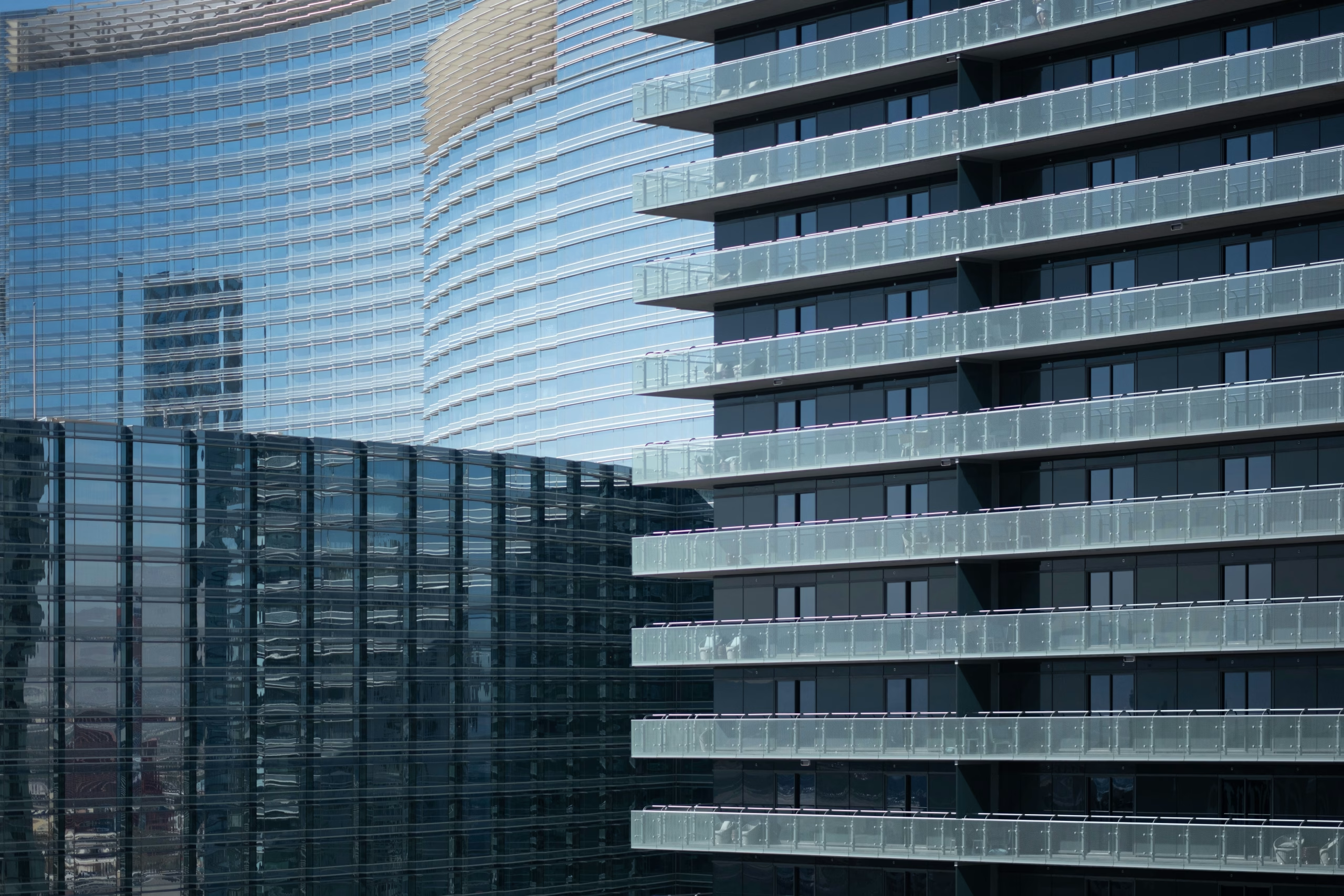
Divider systems provide an effective way to define individual spaces while maintaining an open and modern architectural appearance. Rather than completely blocking light or visibility, these systems create separation that enhances privacy without making an area feel enclosed.
They are frequently installed between apartment balconies, rooftop terraces, outdoor seating areas, office environments, and commercial developments where visual screening is needed alongside an attractive design. Depending on the application, divider systems can be fixed or movable and may serve both decorative and functional purposes.
In addition to improving privacy, divider panels can also help reduce wind exposure, provide visual separation, and contribute to a more comfortable environment in shared spaces.
Materials & Glass Options
Divider systems are available in a wide range of materials to accommodate different architectural styles and performance requirements. Tempered and laminated glass remain popular choices for projects that require light transmission while maintaining a clean contemporary appearance.
Alternative panel materials include perforated metal, aluminum composite panels, high-pressure laminate panels, and decorative metal screens. Glass panels may also incorporate frosted finishes, ceramic frit patterns, tinted glass, or custom digital printing to increase privacy or support branding objectives.
Support frames are typically manufactured from aluminum or stainless steel for long-term corrosion resistance. Mounting methods can be adapted to the project, including floor-mounted, post-mounted, or integrated connections designed to blend with the surrounding railing system or building structure.
Structural Performance & Safety
Although divider systems are not generally intended to function as primary guardrails, they are engineered to withstand environmental forces and everyday use. Wind loads, accidental impact, and the intended installation height are all considered during system design.
For applications using glass, laminated safety glass is commonly specified to provide additional protection if breakage occurs. Structural hardware and fixing components are selected to ensure the panels remain securely attached throughout the service life of the installation.
Depending on the project location and applicable building requirements, divider systems may also be designed to address factors such as panel height, edge protection, child safety, and resistance to impact.
Cleaning & Maintenance
Divider systems require minimal routine maintenance to preserve both appearance and performance. Glass panels can be cleaned using standard non-abrasive glass cleaning products, while metal and composite surfaces can be maintained with mild cleaning solutions appropriate for their finish.
Periodic inspections should include checking mounting hardware, support frames, and connection points to verify that all components remain secure and properly aligned.
Exterior installations may require occasional maintenance following extended exposure to sunlight, wind, or severe weather to keep finishes looking their best and ensure long-term system reliability.
Durability & Applications
Built from durable architectural materials, divider systems are designed to provide years of reliable performance in both interior and exterior environments. High-quality glass, aluminum, stainless steel, and composite materials offer excellent resistance to corrosion, moisture, UV exposure, and temperature fluctuations.
Their versatility makes them suitable for residential developments, hospitality projects, office buildings, mixed-use properties, and outdoor amenity spaces where privacy and modern design are equally important.
With proper installation and routine maintenance, divider systems continue to deliver an attractive combination of functionality, durability, and architectural appeal for years to come.
Handrail Systems
Overview
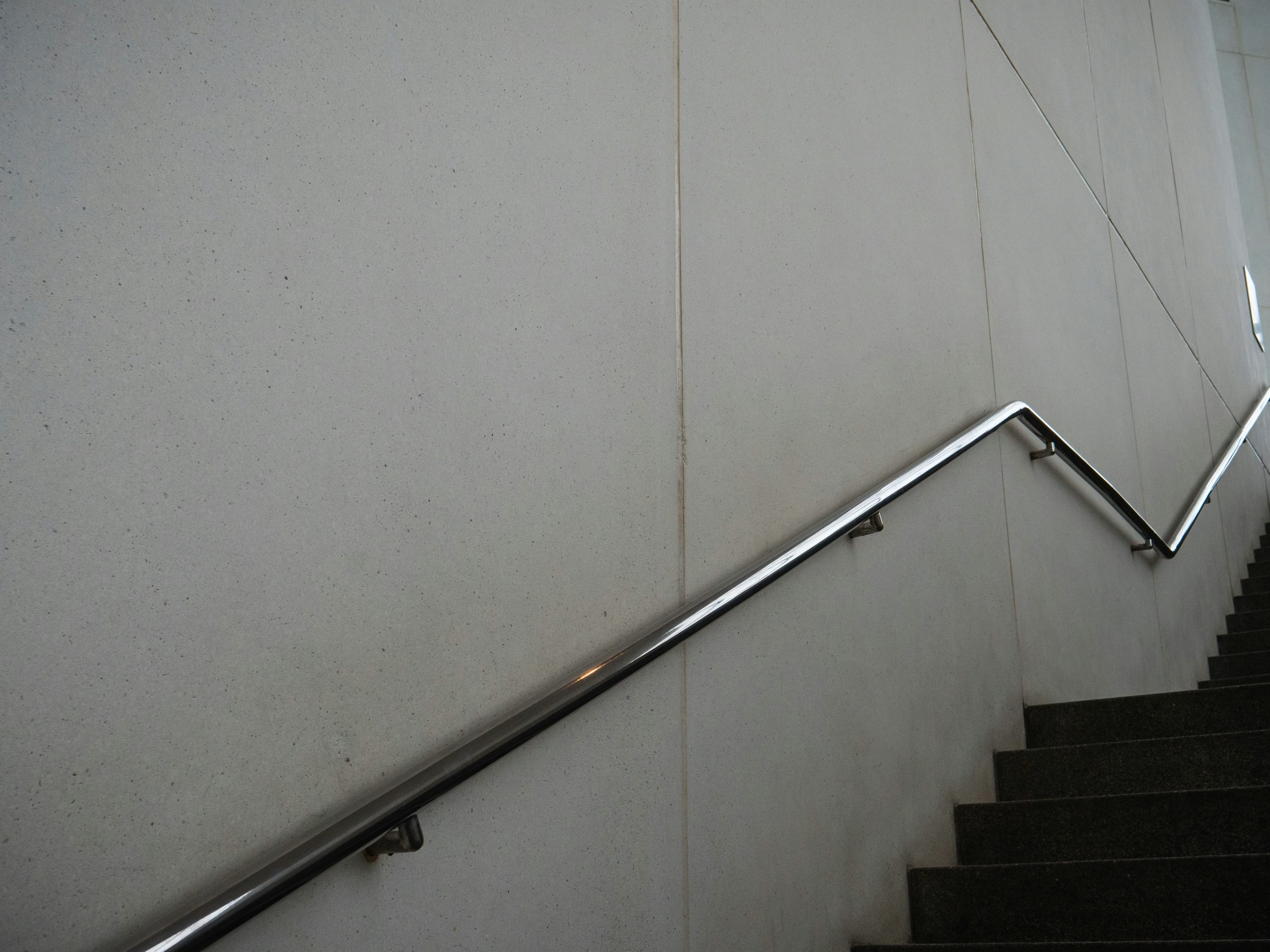
Handrail systems provide dependable support while enhancing the appearance of stairways, ramps, balconies, walkways, and elevated platforms. Designed for both safety and comfort, they offer a continuous gripping surface that assists users in navigating changes in elevation while complementing the surrounding architecture.
Available in wall-mounted and post-supported configurations, handrail systems can be incorporated into new construction as well as renovation projects. Their versatility allows them to integrate seamlessly with glass railings, cable railings, metal guardrails, and other architectural railing systems.
From contemporary commercial buildings to residential homes and public facilities, handrails play an essential role in creating safe, accessible environments while contributing to the overall design of the space.
Materials & Glass Options
Handrail systems are available in a variety of materials to meet different performance requirements and design preferences. Stainless steel remains one of the most popular choices because of its durability, corrosion resistance, and clean architectural appearance. Aluminum offers a lightweight alternative with excellent weather resistance, while wood provides a warmer, more traditional aesthetic.
Many systems can also be combined with glass infill panels or integrated into existing railing assemblies to create a cohesive design. Surface finishes range from brushed and polished stainless steel to powder-coated aluminum and natural or stained wood, allowing the handrail to complement virtually any architectural style.
Mounting brackets, connectors, and support hardware are manufactured from durable materials that provide reliable structural performance while blending with the overall appearance of the system.
Structural Performance & Safety
Handrail systems are engineered to provide a secure gripping surface capable of withstanding the loads encountered during everyday use. Proper profile dimensions, mounting locations, and support spacing all contribute to user comfort and long-term structural reliability.
Every installation should be designed to satisfy applicable building code requirements for height, strength, and continuity. Smooth transitions, rounded profiles, and properly positioned supports help improve accessibility while reducing the risk of injury.
For commercial and public projects, additional design considerations may include accessibility requirements, enhanced visibility, or integrated lighting features to improve user safety in low-light conditions.
Cleaning & Maintenance
Routine maintenance helps preserve both the appearance and performance of a handrail system. Stainless steel and aluminum components can generally be cleaned with mild soap and water, while wood handrails may require periodic sealing or refinishing to maintain their appearance and protect against environmental exposure.
Regular inspections should include checking brackets, fasteners, and mounting points to confirm that all components remain secure and free from excessive wear.
Prompt replacement of damaged hardware or worn finishes helps maintain long-term reliability while ensuring the system continues to meet safety expectations.
Durability & Applications
Manufactured from high-quality architectural materials, handrail systems are designed to deliver reliable performance in both indoor and outdoor environments. Stainless steel provides outstanding resistance to corrosion, while aluminum performs well in changing weather conditions without adding unnecessary weight to the structure.
When properly protected and maintained, wood handrails also provide years of dependable service while adding warmth and character to residential and commercial spaces.
Whether installed in homes, office buildings, hotels, healthcare facilities, schools, or public infrastructure, handrail systems offer a durable solution that combines safety, accessibility, and lasting architectural appeal.
Custom Railing
Overview
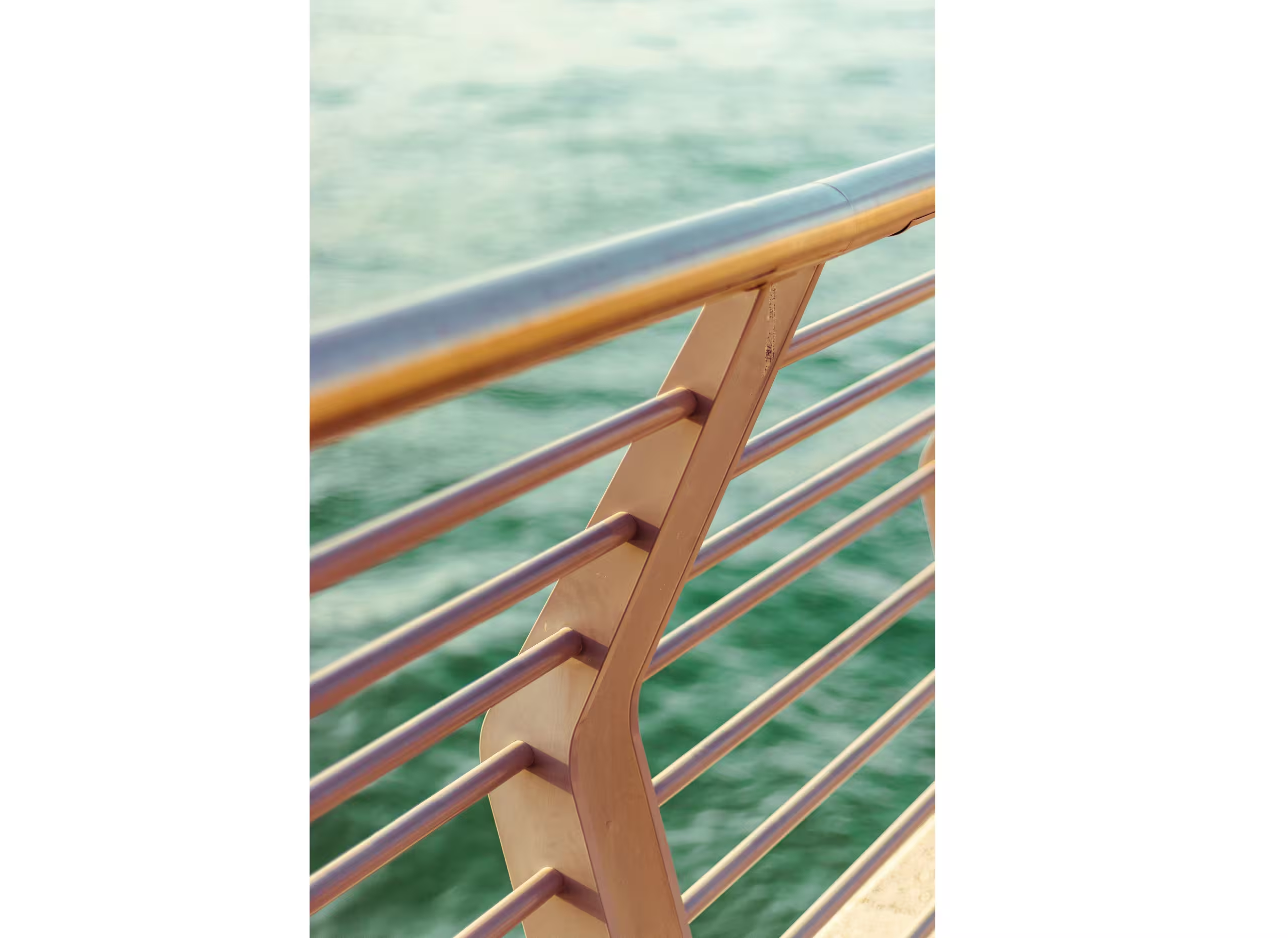
Every project has unique architectural goals, which is why custom railing solutions are designed to meet specific design, structural, and functional requirements. Rather than relying on standard configurations, custom systems allow architects, designers, and contractors to create railing solutions that complement the character of the building while satisfying project-specific performance criteria.
Custom railings can incorporate distinctive shapes, specialized layouts, decorative details, integrated lighting, or branded design elements that cannot be achieved with off-the-shelf products. Whether the project calls for a contemporary glass railing, an ornamental metal design, or a combination of multiple materials, each system is engineered to suit the application.
These solutions are commonly specified for luxury residences, hospitality developments, commercial buildings, public spaces, and landmark architectural projects where design flexibility is a priority.
Materials & Glass Options
Custom railing systems can be manufactured from a wide selection of premium materials, allowing each project to achieve its desired appearance and level of performance. Stainless steel, aluminum, architectural glass, wrought iron, brass, wood, and composite materials can all be incorporated into a single design when appropriate.
A broad range of finishes is available, including brushed or polished stainless steel, powder-coated colors, anodized aluminum, specialty coatings, natural wood finishes, and decorative metal treatments. Glass panels may be clear, low-iron, frosted, tinted, laminated, or digitally printed to support both architectural and branding objectives.
Every material is selected according to the project’s environmental conditions, structural requirements, maintenance expectations, and overall design vision.
Structural Performance & Safety
Although every custom railing system is unique, structural performance remains the foundation of the design process. Engineering calculations are completed to ensure the finished system satisfies applicable building codes and project-specific loading requirements.
Factors such as wind loads, occupant loads, impact resistance, and attachment methods are evaluated throughout the design process. When required, reinforced framing, specialty anchors, laminated safety glass, or additional structural supports can be incorporated to achieve the required performance.
Design features such as reduced openings, enhanced handrail profiles, anti-climb considerations, and accessibility requirements can also be integrated to meet the functional needs of the project while maintaining the intended architectural appearance.
Cleaning & Maintenance
Maintenance requirements vary depending on the selected materials and finishes, but all custom railing systems are designed with long-term serviceability in mind. Stainless steel, aluminum, glass, and coated metal surfaces can typically be maintained using routine cleaning methods appropriate for each material.
Regular inspections should include checking structural connections, fasteners, welds, and support components to verify continued performance and identify any signs of wear before they develop into larger maintenance issues.
Where specialized finishes or premium materials are used, project-specific maintenance recommendations can help preserve both appearance and long-term durability.
Durability & Applications
Custom railing systems are engineered to provide lasting performance while meeting the architectural vision of each project. High-quality materials, precision fabrication, and professional installation combine to create railing systems capable of withstanding weather exposure, UV radiation, moisture, and everyday use.
Protective finishes and corrosion-resistant materials help extend service life while reducing future maintenance requirements. As project needs evolve, many custom systems can also be modified, expanded, or upgraded without replacing the complete installation.
From luxury homes and commercial developments to hotels, educational facilities, and signature public spaces, custom railing solutions deliver a distinctive combination of structural reliability, design freedom, and long-term value.
Modular Railing
Overview
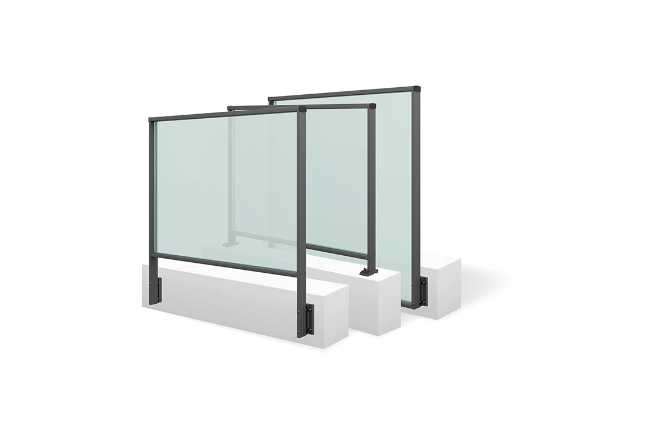
Modular railing systems are designed to simplify installation without sacrificing appearance, strength, or long-term performance. Built from precision-engineered components, these systems can be configured to suit a wide variety of layouts, making them an efficient solution for both new construction and renovation projects.
Because each component is manufactured to standardized dimensions, modular systems can be assembled quickly while maintaining consistent quality throughout the installation. They are widely used in residential, commercial, hospitality, and mixed-use developments where installation speed and design flexibility are equally important.
A modular railing system can accommodate different infill styles, including glass panels, metal pickets, mesh, cable, or composite materials. This versatility allows the same structural platform to support a range of architectural designs, from open contemporary railings to privacy-focused installations.
Materials & Glass Options
Modular railing systems are manufactured using durable materials selected for structural performance and long-term reliability. Aluminum and stainless steel are the most common choices for posts, rails, and structural components because they provide excellent corrosion resistance while requiring minimal maintenance.
Glass infill panels are typically available in tempered or laminated safety glass, while alternative options such as cable, mesh, aluminum pickets, and composite panels can be incorporated depending on the project’s functional and aesthetic requirements.
Protective finishes including powder coating, anodizing, and brushed stainless steel help maintain appearance while improving resistance to weather, UV exposure, and everyday wear. The standardized design of the components also allows individual sections to be modified or expanded without replacing the complete railing system.
Structural Performance & Safety
Every modular railing system is engineered to provide dependable structural performance through carefully designed connections and repeatable components. The standardized assembly process helps maintain consistent load transfer throughout the installation while reducing the potential for installation errors.
The system is designed to resist occupant loads, wind pressure, and other structural forces encountered during normal use. Secure fastening methods and engineered connection details ensure each component remains properly connected throughout the service life of the railing.
Depending on the project, modular railing systems can be designed to satisfy applicable residential or commercial building code requirements, making them suitable for balconies, stairways, rooftop terraces, walkways, and other elevated locations.
Cleaning & Maintenance
The component-based design makes modular railing systems easy to maintain throughout their service life. Individual parts can often be replaced if damaged, minimizing disruption and reducing long-term maintenance costs.
Routine cleaning of glass panels and metal components helps preserve the appearance of the system, while periodic inspections should verify that connectors, fasteners, and mounting hardware remain secure.
As building requirements evolve, modular systems can often be expanded, reconfigured, or upgraded without replacing the original installation, providing additional flexibility for future projects.
Durability & Applications
Modular railing systems are built to perform reliably in a wide range of indoor and outdoor environments. Corrosion-resistant aluminum, stainless steel, and engineered safety glass provide long-lasting protection against moisture, UV exposure, changing temperatures, and everyday use.
The combination of durable materials and interchangeable components makes these systems well suited for projects that require both longevity and adaptability.
Whether installed in apartment buildings, office developments, hotels, schools, retail spaces, or private residences, modular railing systems offer a practical solution that combines efficient installation, architectural flexibility, and dependable long-term performance.
Windscreen
Overview
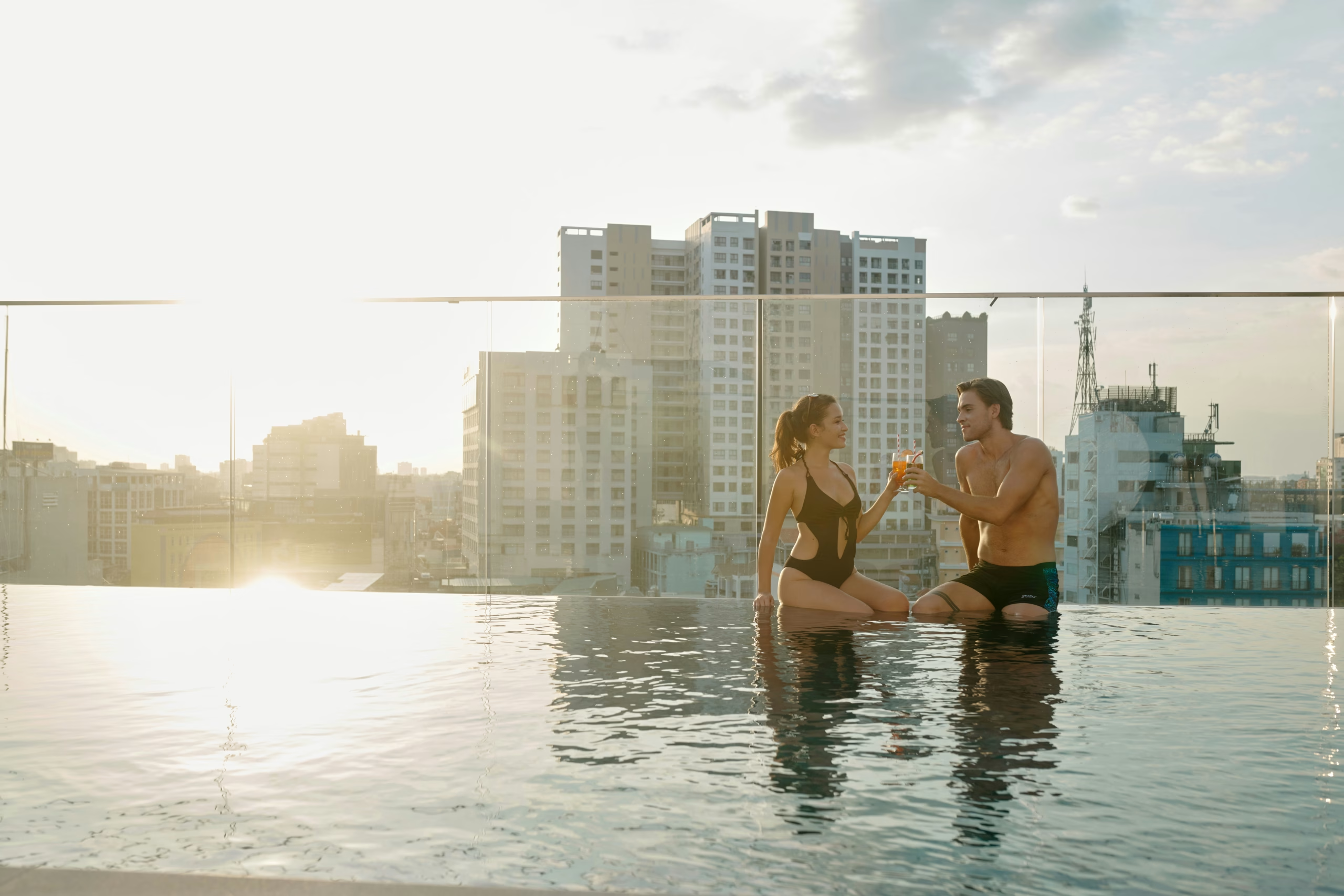
Windscreen railing systems are designed to provide both edge protection and improved comfort in outdoor areas exposed to strong wind conditions. By combining a structural railing system with protective glass or metal infill panels, these solutions help reduce wind impact while maintaining an open architectural appearance.
They are commonly installed on balconies, rooftop terraces, restaurants, hospitality areas, and elevated outdoor spaces where wind exposure can affect the usability of the area. Depending on the design requirements, windscreen systems can use transparent glass panels to preserve views or perforated screens that provide additional shielding while allowing controlled airflow.
Beyond wind protection, these systems can also incorporate additional features such as integrated handrails, decorative elements, privacy solutions, or planter integrations to enhance the overall functionality of the space.
Materials & Glass Options
Windscreen railing systems are typically manufactured using laminated safety glass, tempered glass, stainless steel, and powder-coated aluminum components. Material selection depends on the required level of protection, environmental conditions, and desired architectural appearance.
Glass panels are available in multiple options, including clear, tinted, frosted, and low-reflective finishes. Laminated glass is often selected for exterior applications because it provides improved safety performance while maintaining a clean visual appearance.
For projects requiring a different design approach, perforated metal screens made from aluminum or steel can be incorporated. Different perforation patterns allow designers to control airflow, visibility, and privacy while maintaining structural performance.
The supporting frames and mounting components are engineered from corrosion-resistant materials with protective finishes designed to withstand outdoor exposure, moisture, and UV conditions.
Structural Performance & Safety
Windscreen railing systems are engineered primarily around wind performance, as the applied forces can vary significantly depending on building height, location, and exposure conditions. Proper structural design ensures that the glass panels, metal screens, and support connections can safely resist wind pressure.
Laminated glass provides an additional safety benefit by helping retain glass fragments if damage occurs. Metal infill panels are designed to maintain rigidity and resist deformation under pressure.
Secure anchoring methods and reinforced mounting hardware are essential components of the system. Each installation should be evaluated according to applicable building requirements, including railing height, infill design, structural loading, and safety considerations.
Cleaning & Maintenance
Regular maintenance helps preserve the appearance and performance of windscreen railing systems. Glass panels should be cleaned using suitable non-abrasive products to maintain clarity and prevent surface buildup.
Metal frames, screens, and hardware should be inspected periodically for signs of corrosion, finish deterioration, or physical damage, especially in coastal locations or industrial environments where exposure conditions can be more demanding.
Drainage paths, seals, and connection points should also be checked to prevent water accumulation and maintain long-term system performance. Addressing minor maintenance issues early helps extend the service life of the installation.
Durability & Applications
Designed for demanding exterior environments, windscreen railing systems provide reliable performance against wind, rain, sunlight, and temperature changes. The combination of durable safety glass and corrosion-resistant metal components allows these systems to maintain their appearance and functionality over time.
Their ability to improve outdoor comfort while maintaining safety makes them a valuable addition to balconies, terraces, rooftop spaces, and hospitality environments.
With proper engineering, professional installation, and routine care, windscreen railing systems provide a long-lasting solution that enhances both the usability and architectural quality of outdoor spaces.
Fence Systems
Overview
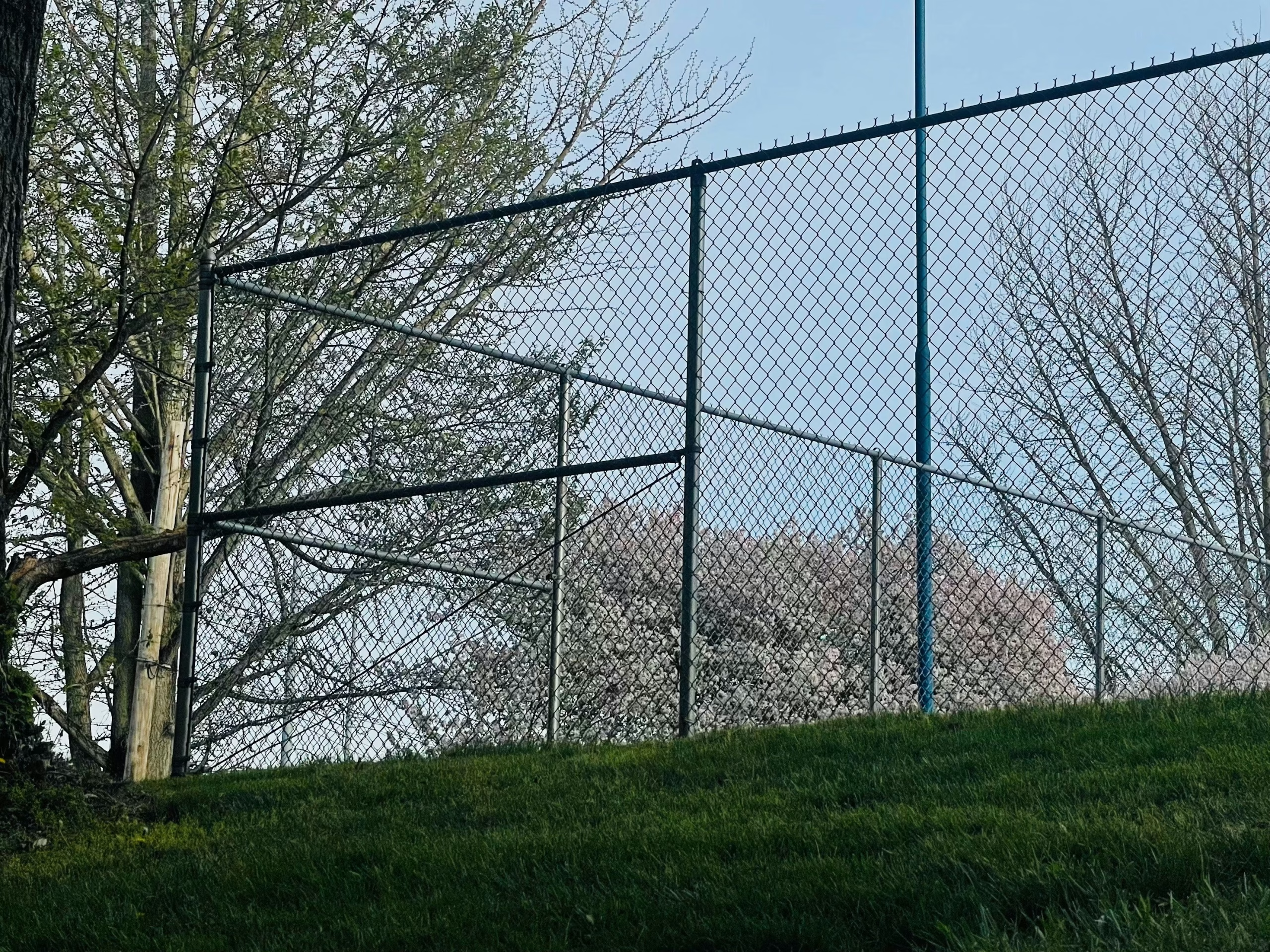
Garden fence systems provide an effective way to define outdoor areas while improving privacy, security, and the overall appearance of a landscape. Available in a wide range of styles and configurations, these systems can be designed to create clear boundaries without compromising the character of the surrounding environment.
Depending on the intended use, garden fencing can provide complete privacy with solid panels or maintain a more open appearance through lattice designs, horizontal slats, decorative metalwork, or partially open panels. This flexibility allows homeowners, designers, and property developers to select a solution that matches both practical needs and architectural style.
Garden fences are commonly used to create secure areas for children and pets, improve property boundaries, enhance outdoor living spaces, or add decorative value. Additional features such as gates, trellises, and integrated planter sections can also be incorporated to improve functionality and visual appeal.
Materials & Glass Options
Garden fence systems are available in a variety of materials, each offering different aesthetic and performance benefits. Wood remains a popular choice due to its natural appearance and versatility, with options including cedar, pine, and engineered timber products that can be treated for improved outdoor performance.
Metal fencing options such as aluminum, wrought iron, and galvanized steel provide excellent durability and can be finished with protective coatings to reduce maintenance requirements. These materials are often selected for modern, decorative, or security-focused applications.
Composite and vinyl fencing have also become popular alternatives because they offer resistance against moisture, insects, and decay while requiring less maintenance than traditional wood. Available in a range of textures and colors, these materials can replicate the appearance of wood or other finishes while providing enhanced durability.
Structural Performance & Safety
A well-designed garden fence must provide reliable structural performance while remaining suitable for its intended purpose. Proper post installation, secure connections, and suitable foundations help ensure the fence remains stable against wind forces, accidental impacts, and everyday use.
For security applications, additional features such as reinforced posts, locking gates, and anti-climb designs can be incorporated to improve protection. Fencing installed around pools, gardens, or areas used by children and pets may require careful consideration of panel spacing and overall height to improve safety.
Material selection, installation methods, and local requirements all play an important role in creating a fence system that performs effectively over time.
Cleaning & Maintenance
Maintenance requirements depend largely on the materials selected for the fence system. Wood fencing typically requires periodic staining, sealing, or protective treatments to maintain resistance against moisture, sunlight, and insects.
Metal fencing requires occasional inspections and may need touch-up coatings if the protective finish becomes damaged. Regular cleaning helps preserve appearance and prevent surface deterioration, particularly in outdoor environments.
Vinyl and composite fencing generally require minimal upkeep and can usually be maintained with simple washing using water and mild cleaning products. Routine inspections allow property owners to identify loose panels, damaged posts, or weather-related issues before they become larger problems.
Durability & Applications
Garden fence systems are designed to provide long-term performance when manufactured from quality materials and installed correctly. Treated wood, coated metals, composite materials, and vinyl options each provide different levels of resistance against weather exposure, temperature changes, moisture, and everyday wear.
The durability of a fence depends on the combination of material quality, construction methods, and ongoing maintenance. Properly designed systems can maintain their appearance and functionality for many years while enhancing the value and usability of outdoor spaces.
Whether used for residential gardens, commercial landscapes, community areas, or decorative outdoor applications, garden fence systems provide a practical solution that combines privacy, security, and aesthetic appeal.
Juliet Balcony
Overview
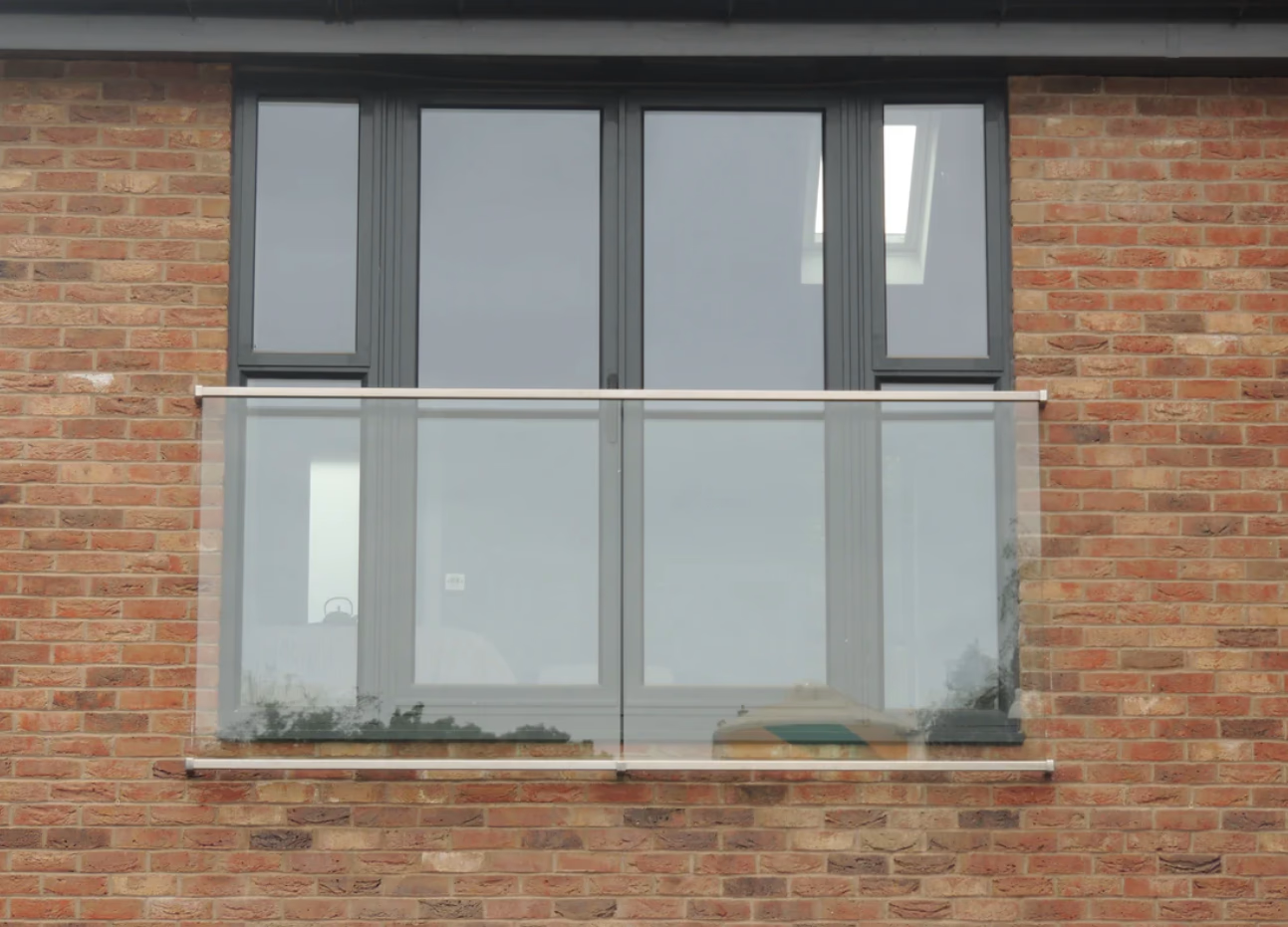
Juliet balcony systems provide an elegant architectural feature while offering essential fall protection for upper-floor windows and French doors. Unlike traditional balconies, these systems do not include a projecting platform or walking area. Instead, they are installed directly in front of openings to create a secure barrier while allowing doors and windows to remain fully open.
By adding depth and character to building facades without requiring major structural extensions, Juliet balconies are a practical solution for projects where space, light, and ventilation are important considerations. They are widely used in residential developments, apartments, hotels, and mixed-use buildings.
Available in a range of styles, from decorative metal designs to contemporary frameless glass solutions, Juliet balconies combine safety functionality with architectural appeal and can enhance both modern and traditional building designs.
Materials & Glass Options
Juliet balcony systems can be manufactured using a variety of durable materials to suit different architectural styles and performance requirements. Wrought iron remains a popular choice for traditional buildings due to its decorative appearance and timeless character.
For modern applications, stainless steel, aluminum, and glass systems provide a cleaner aesthetic with improved resistance to weather exposure and reduced maintenance requirements. Frameless glass Juliet balconies are especially popular where maximum transparency and uninterrupted views are desired.
Laminated safety glass is commonly used in glass configurations, while metal systems may incorporate side brackets, frames, or supporting structures to securely connect the balcony to the building facade. Material combinations can also be used to achieve unique architectural effects while maintaining structural performance.
Structural Performance & Safety
Although Juliet balconies are not designed as load-bearing platforms, they are critical safety elements that must provide reliable fall protection. The design of the system must consider factors such as required height, fixing strength, infill configuration, and resistance to environmental forces.
Glass systems typically use laminated safety glass to reduce the risk associated with breakage, while metal Juliet balconies rely on secure structural connections and properly engineered fixings.
Depending on project requirements and local building regulations, additional safety features may include child-safe spacing, rounded edges, reinforced attachment points, and anti-lift details. Proper testing and installation ensure the system can withstand wind pressure, accidental impact, and everyday use.
Cleaning & Maintenance
Maintenance requirements vary depending on the selected materials and installation environment. Metal Juliet balconies should be inspected periodically for signs of corrosion, surface damage, or deterioration of protective coatings, particularly in coastal or industrial areas.
Powder-coated aluminum and galvanized or coated steel systems generally require minimal maintenance but may need occasional repairs if finishes become damaged. Stainless steel components can be cleaned regularly to maintain their appearance.
Glass Juliet balcony panels should be cleaned with suitable non-abrasive products to preserve transparency and prevent mineral buildup or staining. Regular checks of brackets, fasteners, and connection points help ensure continued safety and long-term performance.
Durability & Applications
Manufactured from high-quality materials and engineered for exterior exposure, Juliet balcony systems provide reliable performance over many years. Stainless steel and aluminum offer excellent resistance to corrosion and weathering, while properly maintained wrought iron can provide long-lasting durability.
Laminated glass panels are designed to withstand changing temperatures, wind conditions, and everyday environmental exposure while maintaining clarity and structural integrity.
With professional installation and appropriate maintenance, Juliet balconies provide a durable architectural solution that enhances natural light, ventilation, safety, and the overall appearance of residential and commercial buildings.