
Handrail Systems
Product Types
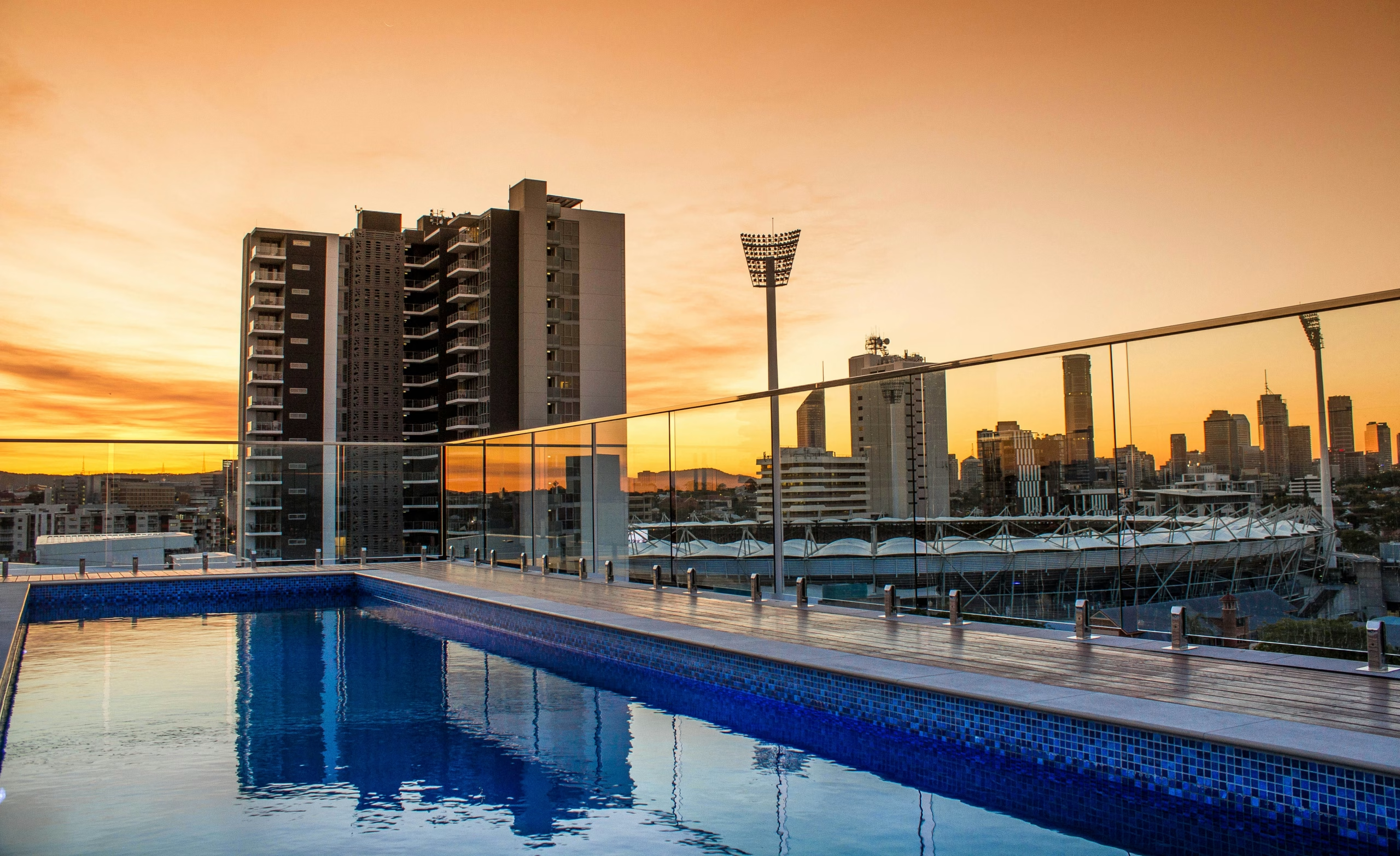
Railing systems are designed to provide secure and ergonomic support along staircases, ramps, balconies, and patios. It can be wall-mounted or stand-up tubing and is available in a wide range of styles, from sleek and minimalist stainless steel tubes to warm wood designs or options with integrated glass. These systems not only enhance safety but also complement the architectural aesthetics of residential, commercial, and public spaces. Depending on the application, guardrails may have seamless passages for continuous grip or segmented sections that integrate with guard guardrails or guardrails. Some systems incorporate decorative elements or lighting for extra functionality and visual appeal. Handrails are indispensable elements in both new construction and renovation projects; It ensures safe movement and compliance with regulations.
Material
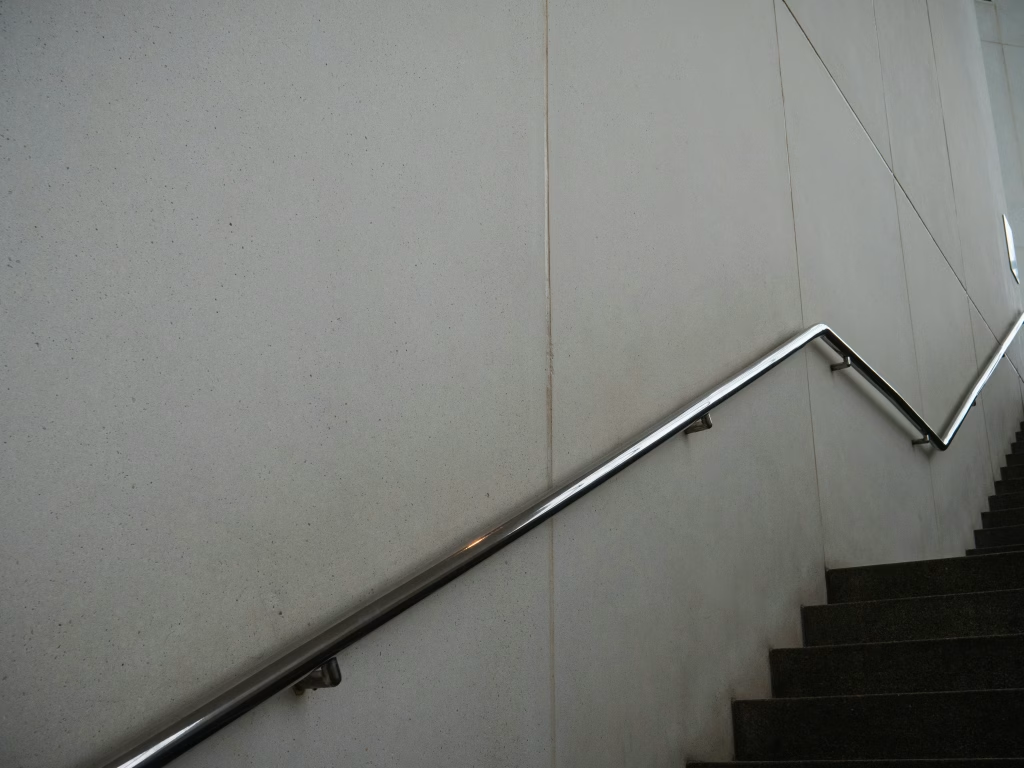
Common materials for retention systems include stainless steel, aluminum, tempered glass, and engineered hardwood. Stainless steel is highly durable and resistant to corrosion, making it ideal for both interior and exterior applications. Aluminum exhibits excellent light resistance and weather resistance; It is usually reinforced with powder coatings. Wooden handles provide natural warmth and texture but require regular maintenance to protect against moisture and UV damage. Glass is often used as an infill material, along with metal railings, to create transparent and modern designs. Finishes range from brushed and polished metals to matte and textured finishes; These skins are matched to the target environment and design style. The assembly is typically made of durable alloys that can withstand mechanical stress and environmental influences.
Load & Safety
Handrails must comply with local building codes, which define height, diameter, and load resistance to ensure the safety of the user. They are designed to withstand significant side loads and provide continuous holding surfaces that prevent slipping and falling. The handrail profile is designed for comfortable grip, usually between 1.25 and 2 inches, and often has rounded edges to prevent injury. Safety measures also include proper spacing and height to prevent accidents, especially for children and elderly users. Grips in public or commercial buildings may carry additional requirements, such as sliding surfaces or illuminated elements, to enhance visibility. Rigorous testing ensures that these systems maintain their structural integrity under dynamic and static loads.
Maintenance
Regular cleaning and maintenance are essential for maintaining the appearance and safety of the railing. Stainless steel and aluminum surfaces should be cleaned with mild detergent and non-abrasive cloths to prevent corrosion and maintain shine. Wooden railings require restoration or sealing periodically to protect them from moisture and environmental degradation. Fasteners, brackets, and mounting bases should be checked periodically for looseness, corrosion, or damage, especially in open or high-traffic areas. Timely repairs and adjustments help prevent accidents and extend the lifespan of the system. Regular maintenance also helps maintain compliance with safety regulations over time.
Durability
When manufactured from quality materials and quality finishes, handrails provide excellent durability and weather resistance. Stainless steel resists rust and mechanical wear, while engineered hardwood maintains its structural integrity and aesthetic appeal with regular maintenance. Aluminum’s powder coating also holds up well against UV radiation and moisture. Grips designed for outdoor use are designed to withstand temperature fluctuations, wind, rain, and other environmental influences without warping, fading, or corroding. When installed and maintained correctly, these systems offer years of secure, reliable support and an attractive architectural feature.