
Frameless Systems
Product Types
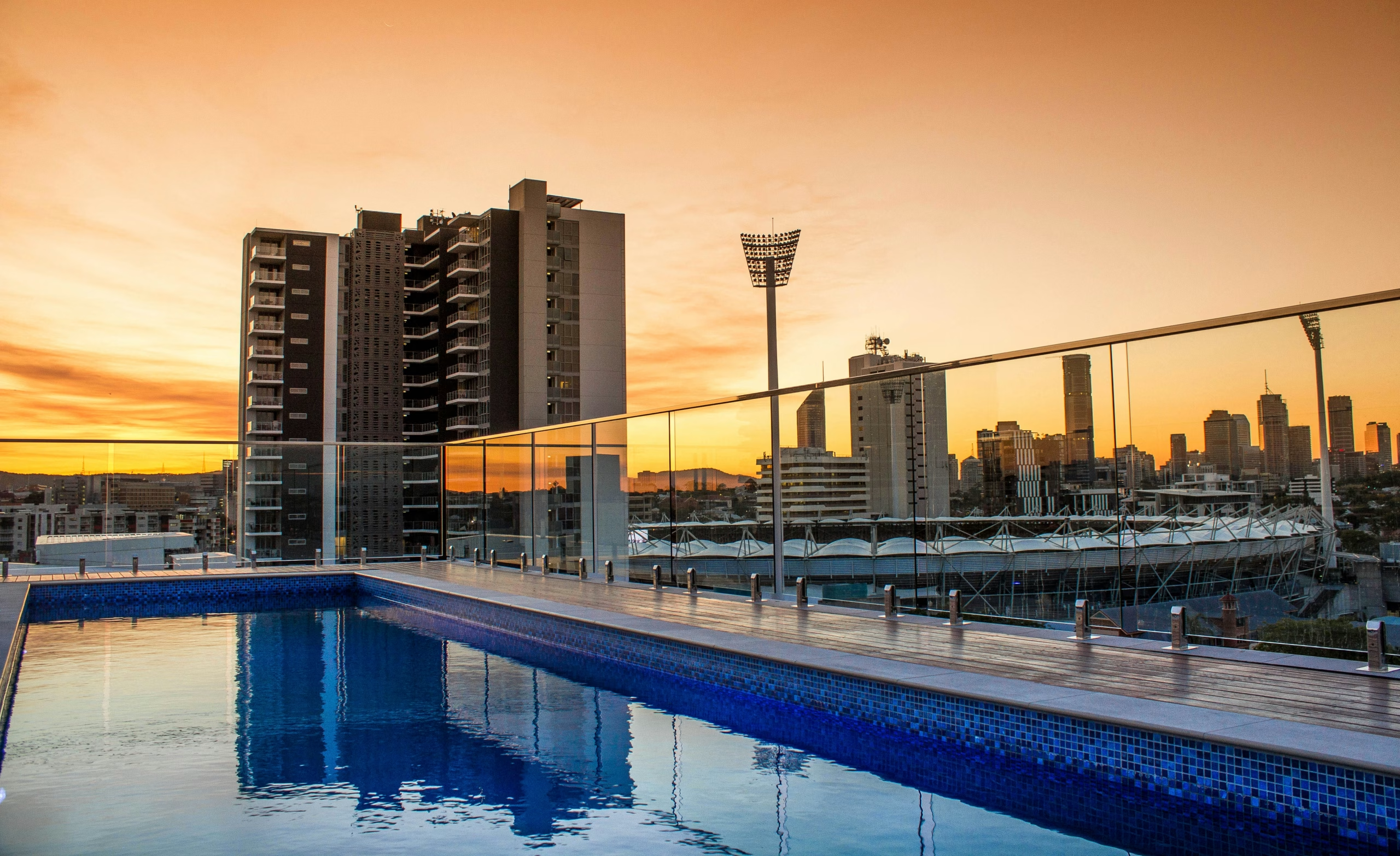
Frameless railing systems are designed to maximize transparency and achieve minimalism by eliminating vertical posts. Instead of traditional vertical panels, glass panels are connected directly to embedded channels or with hidden clips, creating a clear and unobstructed view. This makes frameless systems ideal for high-end residential balconies, scenic terraces, swimming pool surrounds, and commercial atriums where maintaining visual flow is a priority.
The clean lines and minimal hardware of frameless railings make them a favorite among architects and interior designers who want to emphasize openness and natural light.
Material
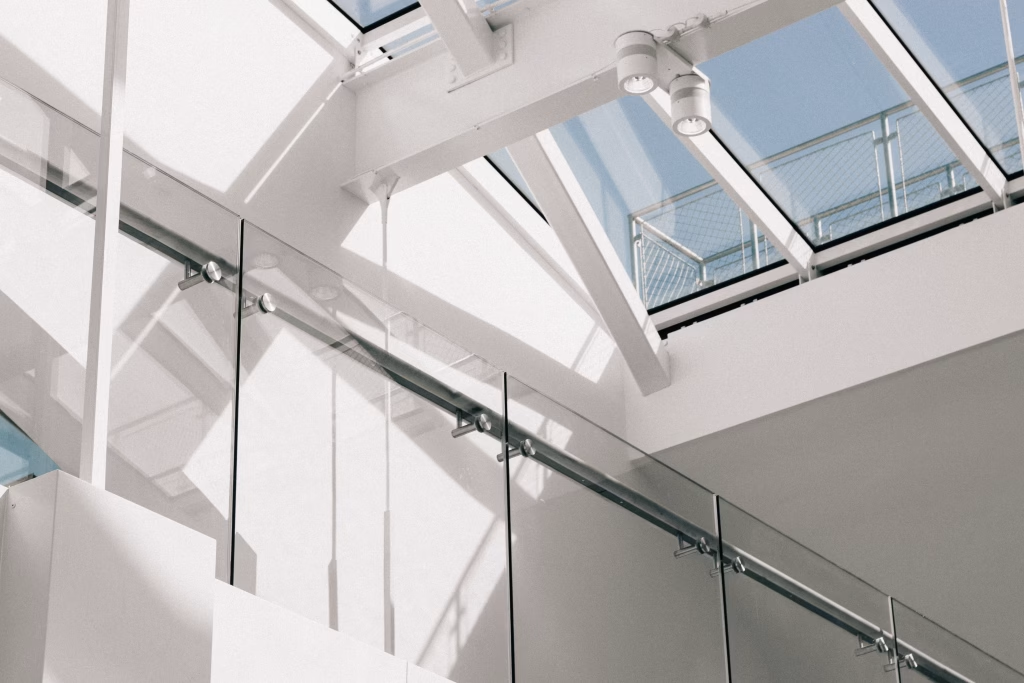
The main material used in frameless railing systems is high-strength tempered or laminated protected glass. Laminated options include interlayers like PVB or SGP; These layers enhance durability and ensure safety after damage. Glass with polished edges or CNC machined provides a smooth and elegant surface that blends in with modern spaces.
For anchoring, frameless systems use aluminum or stainless steel base profiles; These can be buried in the ground or mounted above ground. These profiles are often finished with anodization or powder coating to provide corrosion resistance. Concealed seals, gaskets, and drainage components are also integrated to withstand moisture and weather exposure, ensuring a seamless appearance.
Load & Safety
Despite its slender appearance, frameless handrails are designed to withstand significant loads, both static and dynamic. The glass panels are integrated or securely compressed, while silicone, pressure plates or gaskets provide side stability.
In terms of safety, laminated glass is often preferred for overhead or elevated work. In the event of a tear, the interlayer holds the pieces together and reduces the risk of damage. Some frameless systems incorporate concealed top covers or handles to accommodate local grip or fall protection requirements.
Maintenance
Frameless systems are one of the easiest areas to maintain due to the minimal number of components and exposed surfaces. Glass panels should be cleaned regularly with soft cloths and non-abrasive products to remove any dust, water spots, or spots. Since there are no vertical poles, there are fewer areas to accumulate dirt or debris.
Solid ducts made of aluminum or stainless steel may require periodic inspections to ensure that the drainage channels are clean and the fasteners are secure. Outdoor settings, especially near swimming pools or coastal areas, may require more frequent cleaning to prevent the buildup of salt or chlorine on the glass and metal parts.
Durability
When made from premium materials, frameless glass railings ensure durability. Tempered or laminated glass is designed to resist temperature fluctuations, shocks, and UV exposure without yellowing or breaking over time. Even in direct sunlight or high humidity conditions, the transparency and structural integrity of the glass are maintained.
Proper setup and quality control during production play an important role in long-term operation. With deep or enclosed channels to prevent water ingress and corrosion, these systems can last for decades without major repairs or replacements. Their timeless appearance and robust performance make them ideal for modern architecture.