
Custom Railing
Product Types
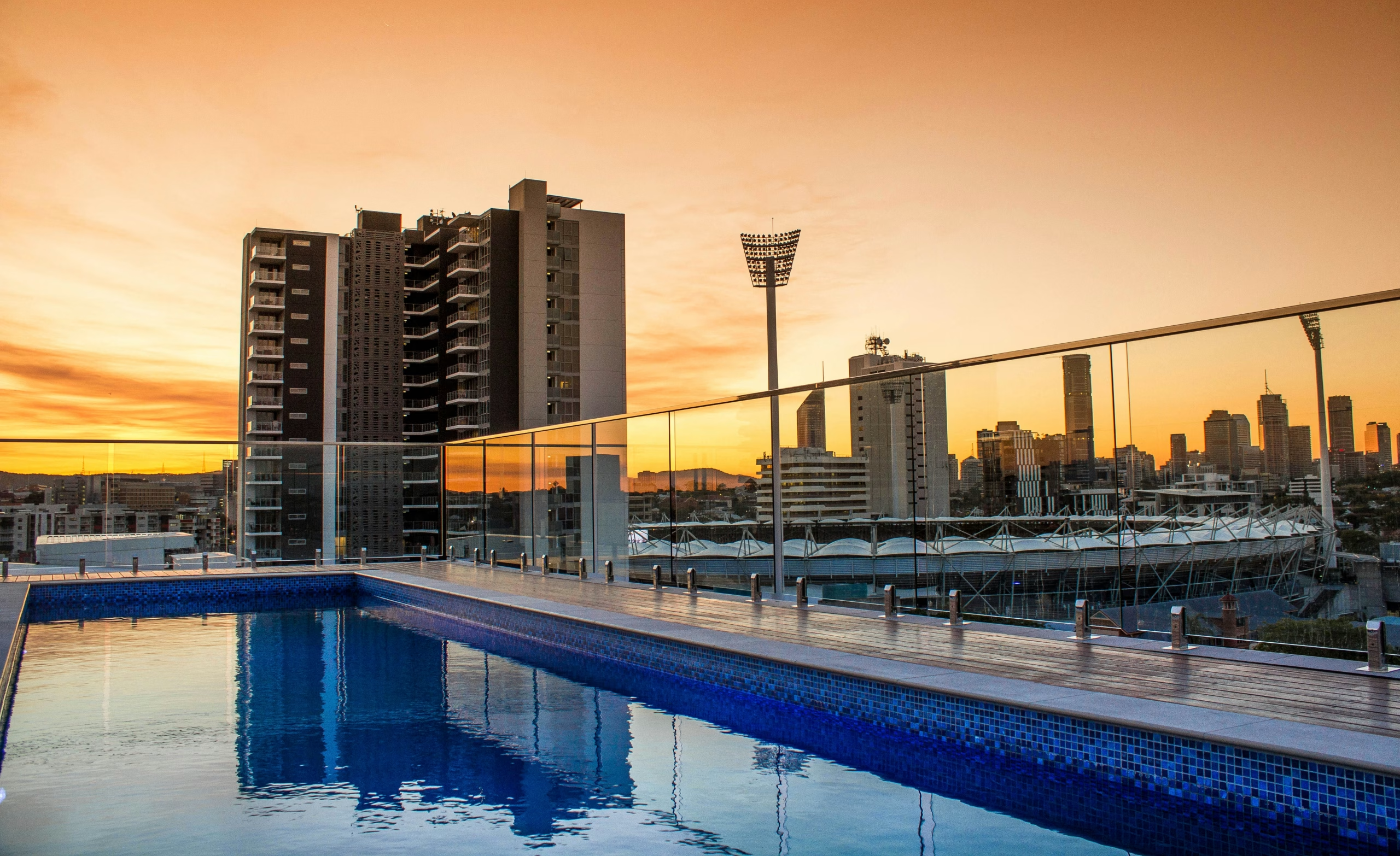
Custom railing solutions are tailored to the specific requirements of the project; It incorporates unique design elements, materials, and finishes that standard products cannot offer. These can range from intricate wrought iron patterns with exquisite detailing to modern glass and metal combinations. Custom handrails are ideal for projects that require architectural uniqueness or branding integration. In addition to aesthetics, custom handrails may incorporate specific functional elements such as child-friendly designs, anti-climb profiles, integrated lighting, or personalized shapes and sizes. This flexibility allows architects and designers to create railings that perfectly match the style of the building and the needs of the user – whether in residential, commercial, or public spaces.
Material
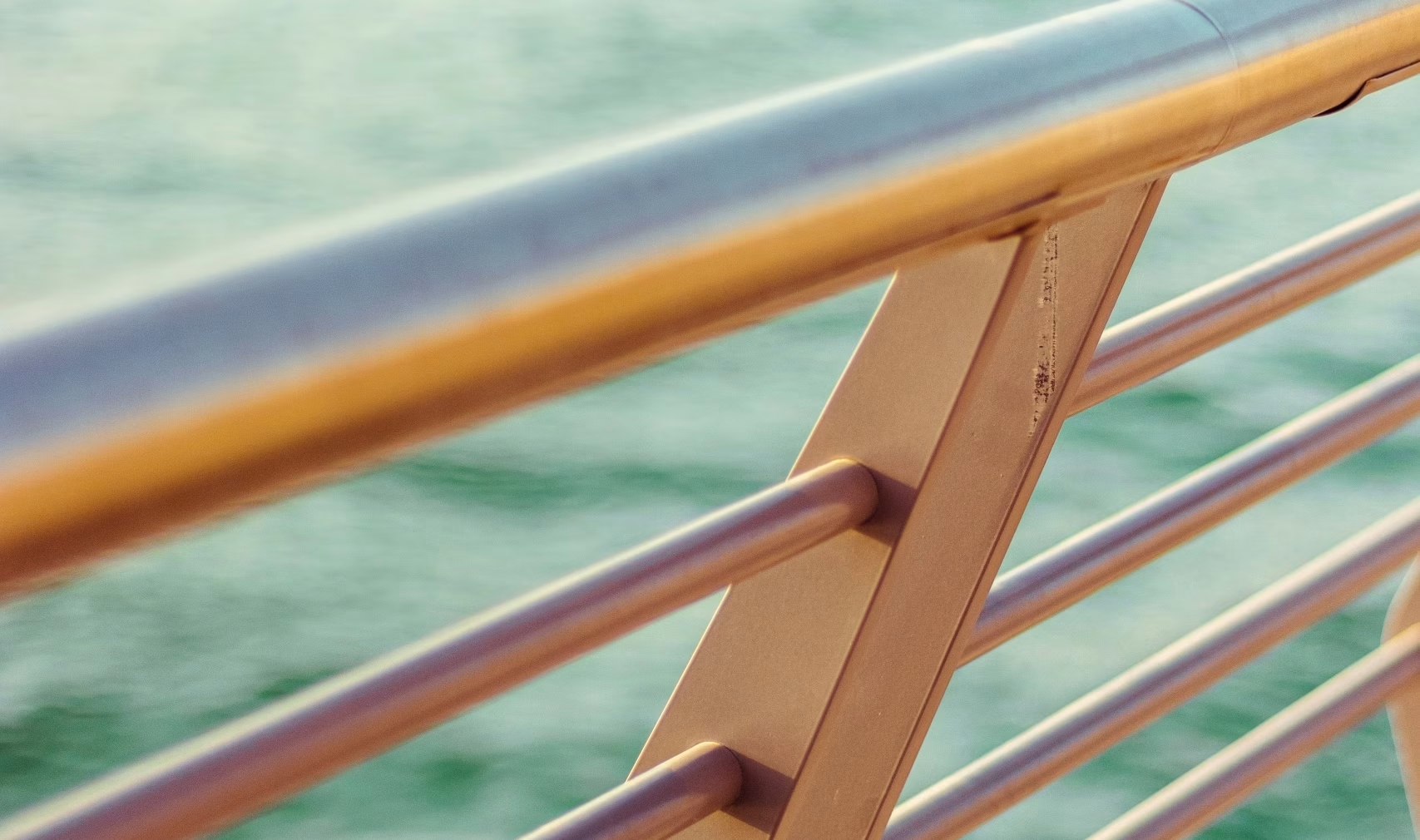
Custom handrails can be made from a wide range of materials, including stainless steel, wrought iron, brass, glass, wood, and composite. The choice of material is determined by durability requirements, environmental conditions, and desired visual effects. Finishes can vary widely, and there may be options like powder coating, electroplating, hand-painting, or natural patina to achieve the perfect look. Each material requires specific technical and engineering aspects; For instance, wrought iron is valued for its classic elegance but requires rust prevention, while stainless steel provides a smooth and maintenance-resistant surface. Glass panels can be laminated or tempered for safety, resulting in transparent or transparent fillings.
Load & Safety
Custom guardrail designs must be designed and tested to meet all applicable safety and design requirements. Since such structures often have irregular shapes or decorative elements, thorough analysis of the load-bearing load is necessary to ensure efficiency when subjected to wind loads, shocks, and user interactions. Additional security measures may be implemented if necessary; For example, narrow gaps to prevent children from getting stuck, anti-slip coatings on handrails, or reinforced anchoring systems to enhance stability. All coupling and connecting bodies are designed with failure prevention in mind, and the design documentation often includes detailed structural calculations.
Maintenance
The maintenance requirements for individual handrails depend on the materials and finishes used. Metal railings, especially segmented ones, require regular inspections and touch-ups of protective coatings to prevent corrosion. Glass fillers require thorough cleaning with appropriate solutions to prevent scratches or cloudiness. Regular inspections focus on structural components, such as welds, fasteners, and joints, and identify any early signs of wear or damage. Timely maintenance maintains safety and appearance, and custom designs often include service contracts or service plans based on the specific materials used.
Durability
With Maintenanceful material selection and professional craftsmanship, personalized handrails are highly durable and can withstand harsh weather conditions, UV layering, and mechanical wear. Protective coatings, such as galvanized or powder coating, significantly extend service life and minimize maintenance costs. Custom handrails can also be designed to be easily repaired or upgraded, ensuring their durability as the construction style and functional needs change. The combination of personalized design and long-lasting performance makes them valuable architectural features.